Roasted tomato basil soup gets its best flavor from the oven, not the pot. When the tomatoes soften and take on those browned edges, the soup turns deeper and sweeter, with a little smokiness that plain simmered tomatoes never deliver. The basil stays bright, the cream rounds everything out, and the balsamic quietly sharpens the finish so each spoonful tastes complete.
This version works because the tomatoes, onion, and garlic roast together until their edges caramelize and their water content drops. That means the soup blends into something naturally thick and concentrated before the cream even goes in. A splash of balsamic vinegar wakes up the sweetness, and the basil is stirred in near the end so it keeps its fresh, green note instead of disappearing into the heat.
Below, I’ve included the roasting cues that matter, the ingredient swaps that still keep the soup balanced, and the one reheating trick that keeps the cream from tasting flat the next day.
The roasted garlic made this taste like it simmered all day, and the cream went in smooth without turning grainy. I served it with grilled cheese bites and my husband went back for a second bowl before the soup even cooled down.
Save this roasted tomato basil soup for the nights when you want a silky tomato soup with caramelized edges and grilled cheese croutons.
The Roast That Keeps Tomato Soup From Tasting Flat
The mistake most tomato soups make is leaning on the stove for all the flavor. Tomatoes give up plenty of liquid, but they don’t automatically give up depth. Roasting changes that. You’re concentrating the tomatoes, softening the onion until it turns sweet, and pushing the garlic into something mellow enough to disappear into the soup instead of shouting through it.
The other important piece is the blender stage. If you blend while the vegetables are still hot, work carefully and vent the lid if you’re using a countertop blender. An immersion blender is easier here because the soup stays in the pot, the texture gets silky fast, and you don’t lose any of the browned bits clinging to the pan. That fond is part of the body of the soup.
- Roma or vine tomatoes — Roma tomatoes are meatier and roast down beautifully, but ripe vine tomatoes work too if that’s what you’ve got. If your tomatoes taste bland before roasting, the balsamic and sugar matter even more.
- Garlic — Roasting the whole head turns sharp garlic into something soft and almost buttery. Don’t swap in jarred garlic here; it won’t give the same sweetness or texture.
- Heavy cream — This is what makes the soup feel plush. Half-and-half works in a pinch, but the finish will be lighter and less velvety. Add it after blending and after the soup has come off the hottest part of the heat so it stays smooth.
- Fresh basil — Fresh basil brings the last hit of brightness. Dried basil won’t give the same lift, and it can make the soup taste dusty instead of fresh.
- Balsamic vinegar — This is the quiet ingredient that keeps the sweetness in check. It doesn’t make the soup taste vinegary; it makes the tomatoes taste more tomatoey.
What Each Ingredient Is Actually Doing in This Recipe
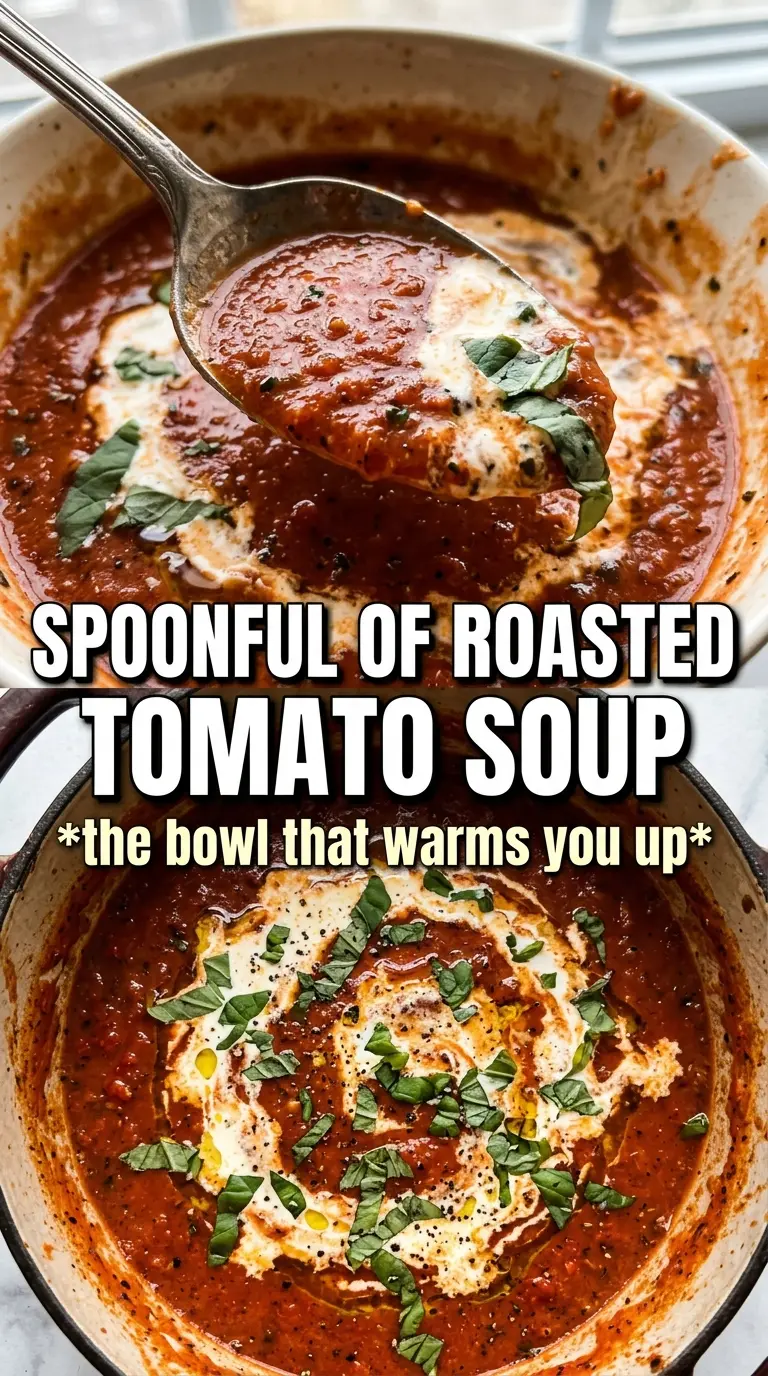
- Primary ingredient (the star) — Quality matters most. Choose the best you can find.
- Cooking medium (oil, butter, or broth) — This carries flavors and prevents dryness.
- Seasonings (salt, pepper, spices, herbs) — Layer flavors so nothing overpowers. Build depth gradually.
- Aromatics (garlic, onion, herbs) — Cook with fat to bloom flavors. Become the foundation.
- Supporting ingredients — Complement the main ingredient without overpowering it.
- Sauce or liquid (if applicable) — Brings flavors together. Balance richness with acid.
- Acid (lemon, vinegar, wine, or other) — Brightens and prevents flat-tasting results.
- Final finish (garnish, glaze, or sauce) — Prevents one-dimensional taste and adds visual appeal.
Building the Roasted Base Without Drying It Out
Coating the Vegetables Evenly
Spread the tomatoes, onion, and garlic cut-side up on a rimmed baking sheet so they roast instead of steaming. Drizzle with the olive oil and season before they go in; the oil helps the edges caramelize, and the seasoning pulls moisture from the surface. If the pan is crowded, the vegetables will soften but won’t brown properly, and that missing browning is where the best flavor lives.
Watching for Color, Not Just Time
Roast until the tomatoes look collapsed, the onion edges are deeply golden, and the garlic feels soft when you press the paper-thin skins. That usually takes 35 to 40 minutes, but color matters more than the clock. If the pan looks pale, give it more time. If the edges start to blacken hard instead of char lightly, pull it sooner.
Blending Into a Smooth Soup Base
Transfer everything to the pot and add the broth and balsamic before blending. The liquid helps the blender catch the vegetables and turn them into a smooth puree without leaving chunks of onion or tomato skin behind. If you use a countertop blender, don’t fill it all the way and don’t seal the lid tightly on hot soup. An immersion blender is the easier, safer path here.
Finishing With Cream and Basil
Stir in the cream and basil after blending, then let the soup simmer gently for about 10 minutes. That short simmer mellows the garlic and lets the basil perfume the pot without turning bitter. Add the sugar only at the end if the tomatoes still taste sharp; you want balance, not sweetness.
Small Swaps That Still Keep the Soup Rich
Dairy-Free Version With Full Tomato Flavor
Use full-fat coconut milk or an unsweetened oat cream instead of heavy cream. Coconut milk gives the soup a little extra body and a faint sweetness, while oat cream stays more neutral. Either one keeps the soup silky, but skip any version that’s thin or sweetened, or the flavor gets muddy fast.
Make It Vegetarian Without Losing Depth
Use vegetable broth and keep the balsamic in the mix. A good vegetable broth should taste clean and savory, not watery, so if yours is mild, reduce the broth slightly and add a pinch more salt at the end. The roasted vegetables still carry the soup; the broth just helps them move.
Skip the Cream and Keep It Lighter
Leave out the cream and blend the soup a little longer for a more rustic, lighter bowl. You’ll lose the plush finish, but the roasted tomato flavor stands on its own and the soup turns brighter. A drizzle of olive oil on top at serving helps replace some of the richness.
How to Serve It for a Bigger Meal
The grilled cheese croutons are the smart move because they hold their texture longer than a full sandwich. If you want a heartier meal, serve the soup over toasted sourdough cubes brushed with olive oil and garlic, or add white beans before blending for extra body. The soup still stays smooth, but it eats like dinner instead of a starter.
Storage and Reheating
- Refrigerator: Keeps 4 days in a sealed container. The flavor deepens overnight, and the soup may thicken a little as it chills.
- Freezer: Freezes well, but the cream can separate slightly after thawing. For the best texture, freeze before adding the cream, then stir it in when reheating.
- Reheating: Warm gently over medium-low heat, stirring often. Don’t let it boil hard or the cream can turn grainy and the basil can taste dull.
Answers to the Questions Worth Asking
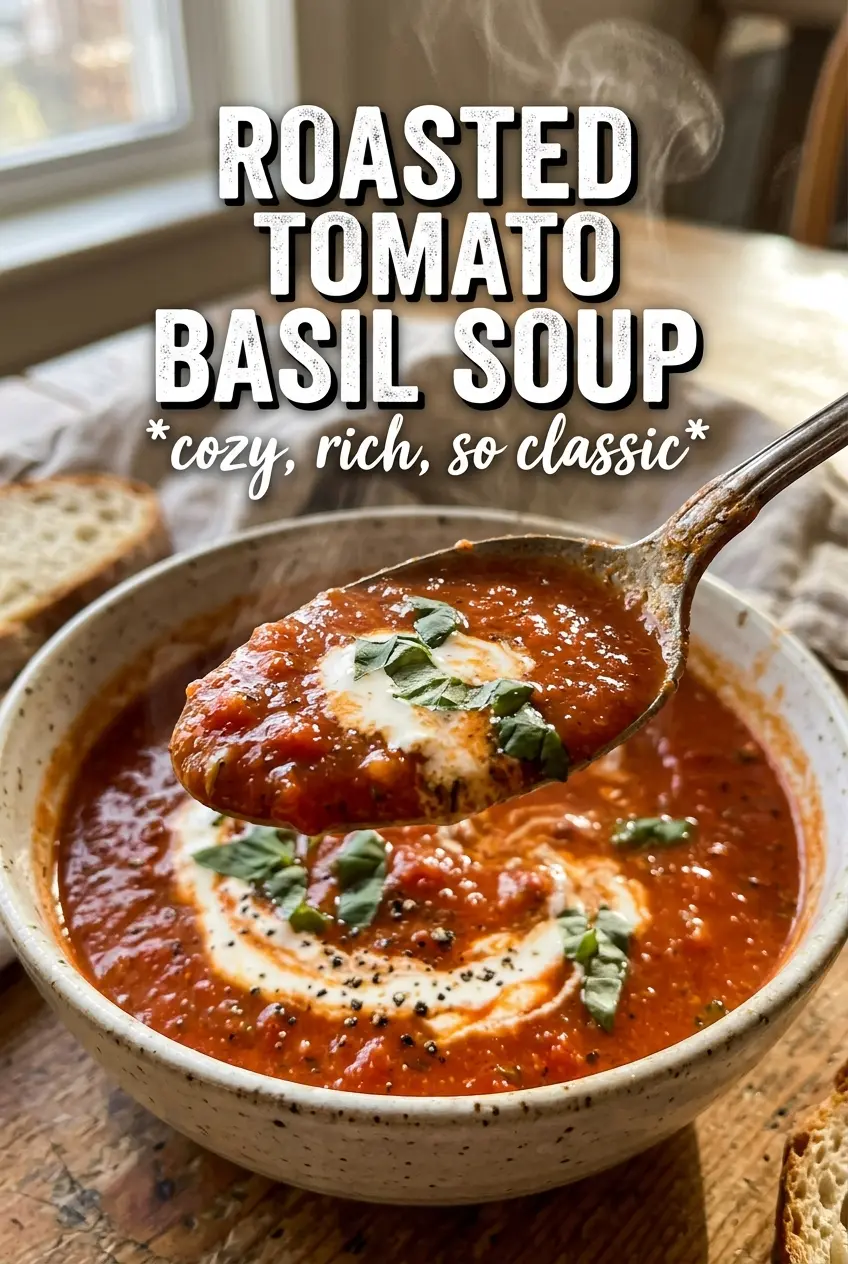
Roasted Tomato Basil Soup
Ingredients
Equipment
Method
- Preheat the oven to 425°F and arrange the halved tomatoes, halved garlic, and quartered onion on a rimmed sheet pan.
- Drizzle with 1/4 cup olive oil, then season with salt, pepper, and dried oregano; make sure vegetables are evenly coated.
- Roast 35-40 minutes until tomatoes are caramelized and slightly charred at the edges.
- Squeeze the roasted garlic from the skins, then transfer all roasted vegetables to a large pot.
- Add the broth and balsamic vinegar, then blend smooth with an immersion blender until no chunks remain.
- Stir in the heavy cream and fresh basil, then simmer 10 minutes while the soup turns creamy and fragrant.
- Add the sugar and season with salt and pepper to taste, adjusting until the flavor is balanced.
- Serve warm with grilled cheese croutons or crusty bread on the side.