Roasted brown sugar carrots come out glossy, tender, and edged with those sticky caramelized spots that make people reach for seconds before they’ve finished their first helping. The butter and brown sugar melt together in the oven, coating each piece with a shallow glaze that turns savory-sweet instead of cloying. The carrots stay firm enough to hold their shape, but the edges soften just enough to catch the pan juices and turn deeply flavorful.
The trick here is giving the carrots enough space and enough heat. If they’re crowded, they steam and the sugar turns watery instead of caramelized. If they’re tossed well before roasting, every cut gets coated, and the cinnamon stays in the background where it belongs instead of taking over. A quick toss halfway through helps the glaze cling to the pan juices and keeps the color even.
Below, I’ve included the small details that matter most: how to keep the glaze from burning, which carrot cuts roast more evenly, and a few easy ways to adapt this side dish if you need to work with what’s already in the kitchen.
The carrots came out tender with those sticky browned edges, and the brown sugar butter left just enough glaze in the pan to toss them again before serving.
Save these roasted brown sugar carrots for the night you want a glossy, caramelized side with almost no extra work.
The Reason These Carrots Caramelize Instead of Turning Watery
The difference between roasted carrots that glaze and carrots that puddle comes down to surface area, spacing, and the amount of sugar in play. Brown sugar pulls moisture out as it melts, which is exactly what you want here, but only if the carrots can roast instead of steam. A foil-lined sheet pan helps with cleanup, but the real win is spreading everything in a single layer so the butter-sugar mixture can concentrate instead of thinning out.
Cutting the carrots on the bias gives you more exposed surface, which means more places for the glaze to cling and more edges that brown. If your carrots are all different thicknesses, halve the thicker ones lengthwise so they finish at the same time. That small bit of prep keeps the thin pieces from collapsing before the thicker ones are tender.
- A single layer on the pan — This is what keeps the carrots roasting. If they overlap, the sugar syrup turns slack and the bottoms stay soft instead of caramelized.
- Butter — Butter carries the brown sugar and helps the glaze brown in the oven. Melted butter works better than oil here because it gives the pan juices a richer finish.
- Brown sugar — Packed brown sugar is what creates that sticky coating. Light or dark both work, but dark brown sugar gives you a deeper molasses note.
- Cinnamon — You only need a little. It rounds out the sweetness without making the carrots taste like dessert.
What Each Ingredient Is Actually Doing in the Pan
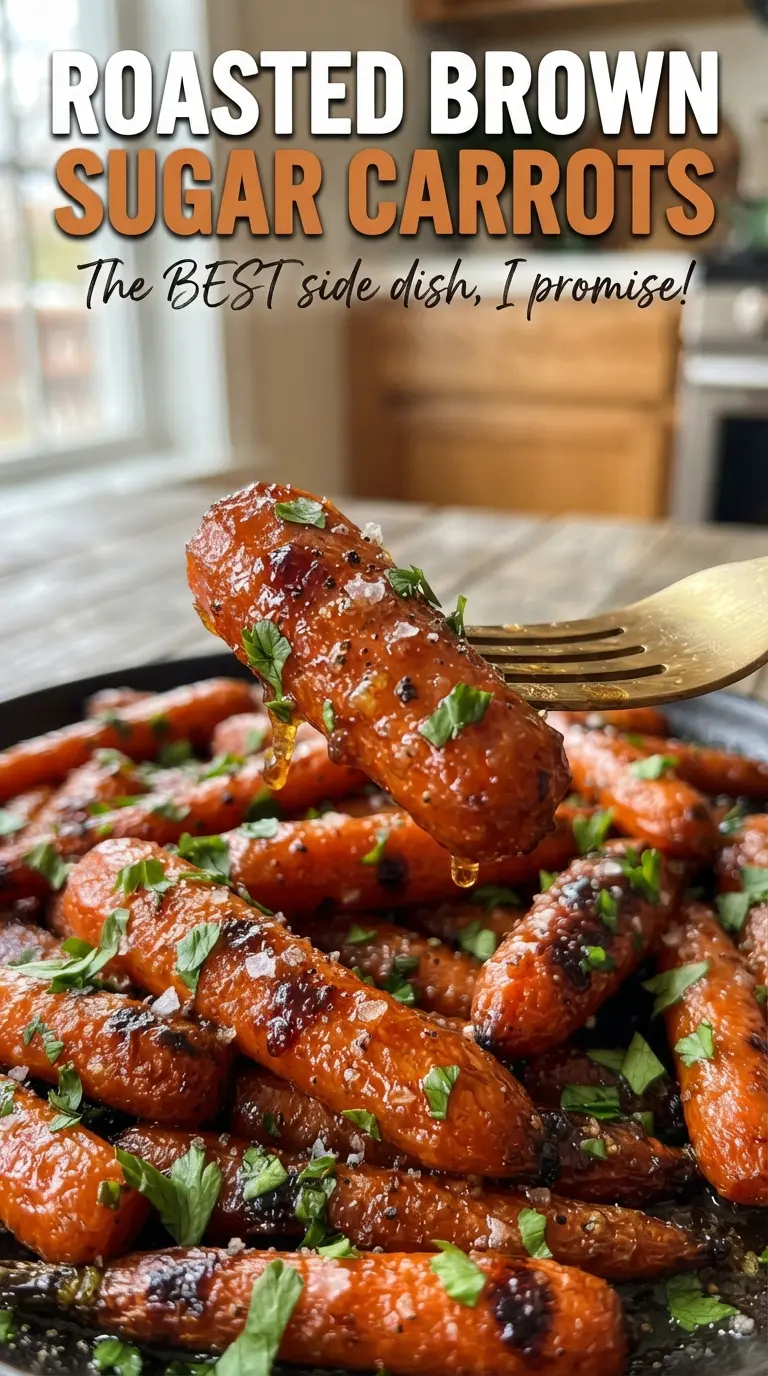
The carrots are the backbone here, so start with fresh ones that feel firm and heavy for their size. Older carrots can still work, but if they’ve gone a little limp they won’t roast with the same sweet snap. Cutting them evenly matters more than the exact size; long uneven pieces will give you a pan with both scorched and underdone carrots.
Butter is nonnegotiable if you want the glaze to taste rounded instead of sharp. If you need a dairy-free version, use a plant-based butter that melts cleanly and has a neutral taste, not a hard margarine that leaves waxy residue. The parsley at the end isn’t there for decoration only — it cuts through the sweetness and gives the whole dish a fresh finish right before serving.
- Carrots — The fresher the better. If they’re thick, split them lengthwise so they roast through before the glaze darkens too much.
- Butter — This helps the sugar coat the carrots evenly and gives the finished dish a richer sheen. Vegan butter is the best swap if you need one.
- Brown sugar — This is the caramelized finish. White sugar won’t give the same molasses depth or sticky texture.
- Fresh parsley — Add it after roasting so it stays bright. Dried parsley disappears here and tastes flat.
Getting the Glaze Right Without Burning the Sugar
Tossing Before the Carrots Hit the Oven
Mix the carrots with the melted butter, brown sugar, salt, pepper, and cinnamon until every piece looks lightly coated. The sugar won’t dissolve completely yet, and that’s fine; it will melt into a glaze in the oven. If the mixture looks dry in the bowl, the carrots weren’t tossed long enough, and the first few minutes of roasting will leave bare patches.
Roasting Until the Edges Turn Sticky
Roast at 400°F for 25 to 30 minutes, tossing halfway through so the glaze redistributes. You’re looking for tender carrots with browned spots and a syrupy sheen in the pan, not a dark crust around the sugar. If the pan starts smoking hard before the carrots are tender, the sugar is running hot; lower the rack one level next time or pull the pan a few minutes earlier.
Using the Pan Juices at the End
Once the carrots are tender, toss them in the pan juices before serving. That last toss coats any spots that missed the glaze the first time and gives the carrots their glossy finish. Sprinkle the parsley on while they’re still hot so it clings instead of falling off the pan.
Maple Brown Sugar Carrots
Swap half of the brown sugar for maple syrup if you want a deeper, woodsy sweetness. Use slightly less butter or the glaze can get too loose, and keep an eye on the pan because syrup darkens faster than dry sugar. The result is a softer, more fragrant glaze with a little less stick.
Dairy-Free Version
Use a good dairy-free butter that melts smoothly and browns a little instead of separating. Olive oil will work in a pinch, but the glaze won’t feel as round and the finished carrots will taste cleaner and less dessert-like. This swap keeps the dish fully vegan without changing the roasting time.
Less Sweet, More Savory
Cut the brown sugar back to 1/4 cup and add an extra pinch of salt. You’ll still get caramelized edges, but the carrots read more like a savory side dish than a glazed vegetable. This version works especially well next to roasted chicken or pork.
Storage and Reheating
- Refrigerator: Store leftovers in an airtight container for up to 4 days. The glaze will thicken and the carrots will soften a little as they sit.
- Freezer: They can be frozen, but the texture turns softer after thawing. Freeze in a flat layer first, then transfer to a container if you want the least mushy result.
- Reheating: Warm them in a 375°F oven until hot, about 10 minutes, or in a skillet over medium-low heat. Microwaving works, but it loosens the glaze and makes the carrots softer than they should be.
Answers to the Questions Worth Asking
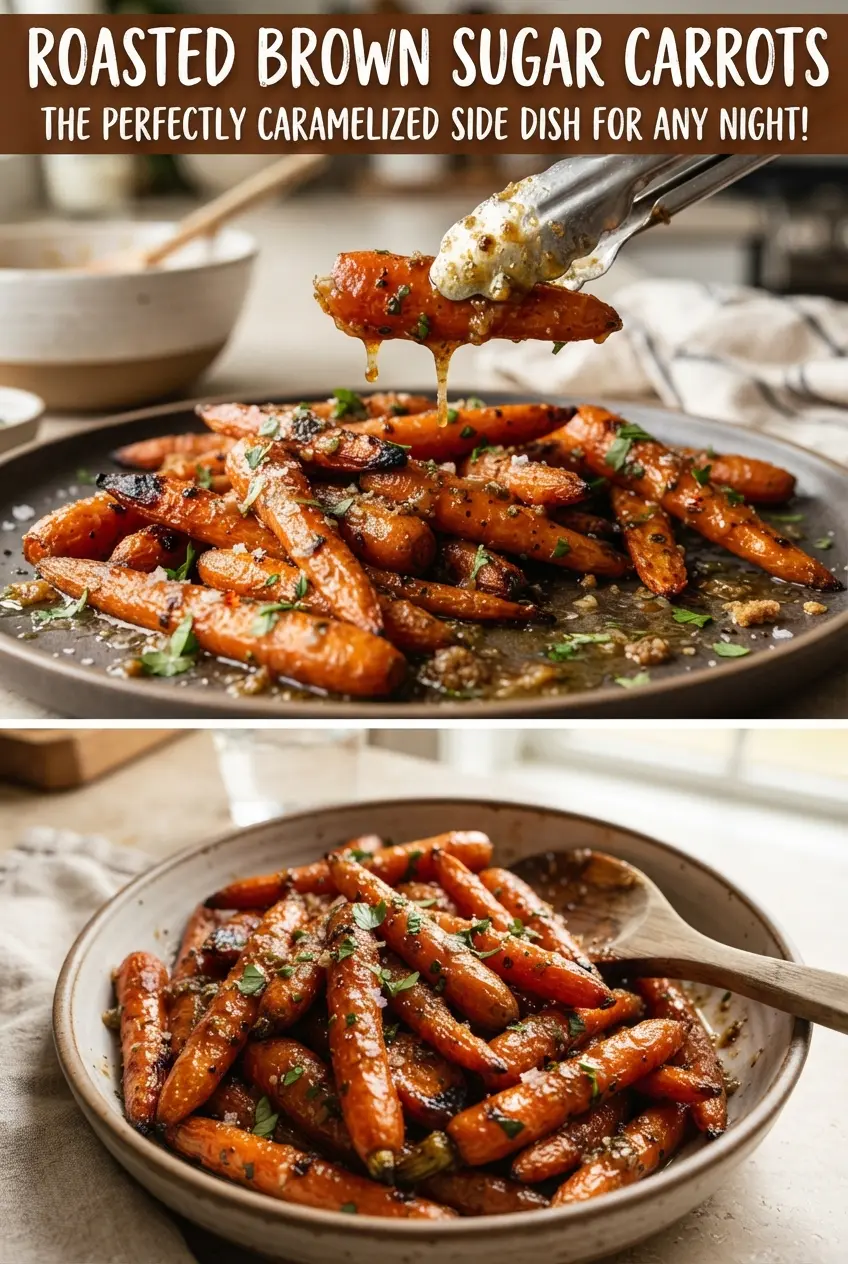
Roasted Brown Sugar Carrots
Ingredients
Equipment
Method
- Preheat oven to 400F, then line a sheet pan with foil for easy cleanup (visual cue: foil should be smooth and ready for the carrots).
- Toss carrots with melted butter, brown sugar, salt, black pepper, and ground cinnamon until every piece looks evenly coated (visual cue: the carrots will appear glossy and speckled).
- Spread the coated carrots on the sheet pan in a single layer with space between pieces (visual cue: you should still see individual carrot pieces, not a pile).
- Roast for 25-30 minutes, tossing halfway, until tender and caramelized with darker edges (visual cue: charred tips and sticky caramel coating).
- Toss carrots in the pan juices, then garnish with chopped parsley and serve (visual cue: glaze clings to the carrots as you toss).