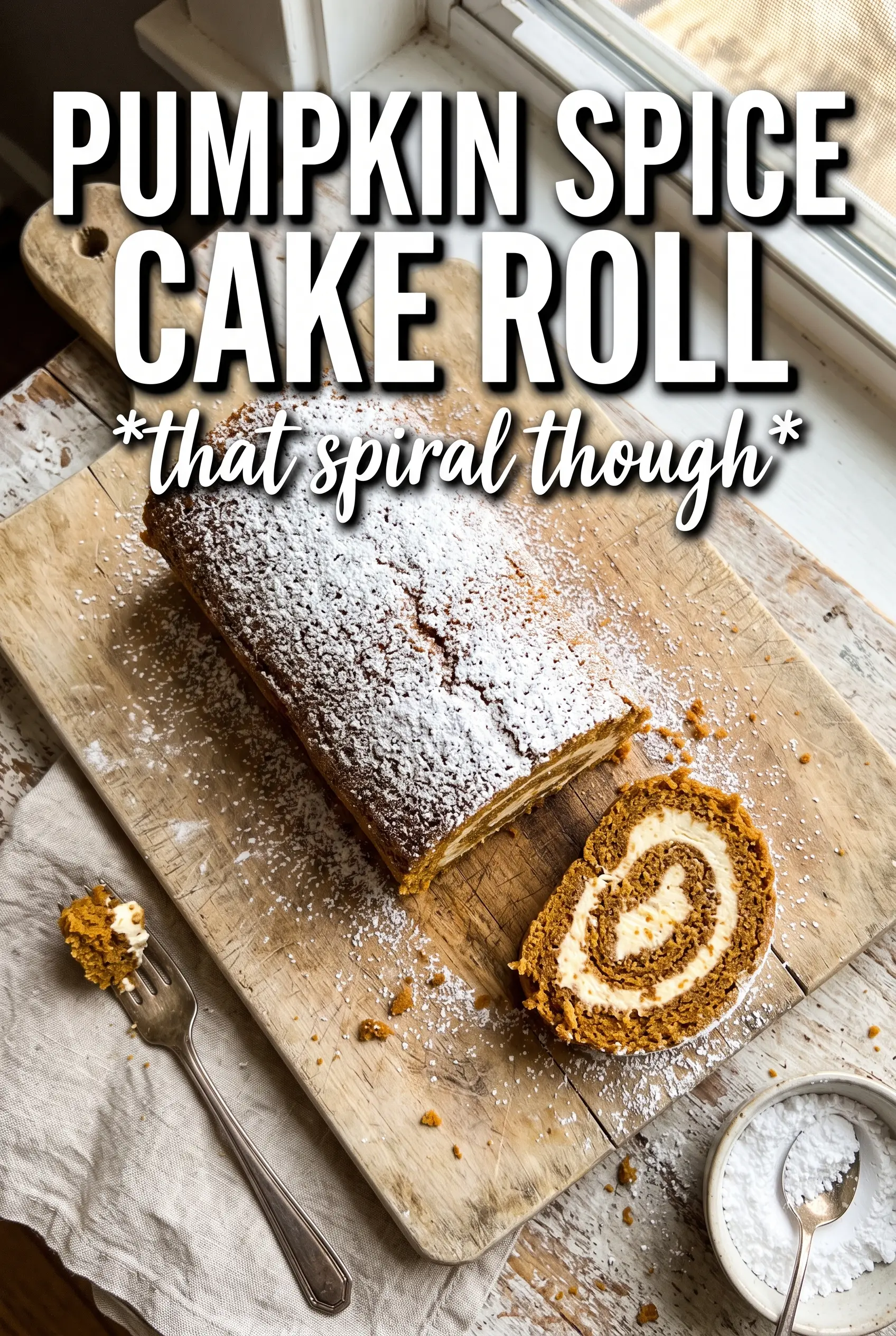
Pumpkin spice cake roll makes the kind of dessert that gets sliced at the table and then disappears before anyone has time to claim a second piece. The cake stays tender and flexible, the cream cheese filling sets into a cool, sweet layer, and every slice shows off that clean spiral that always looks harder than it is.
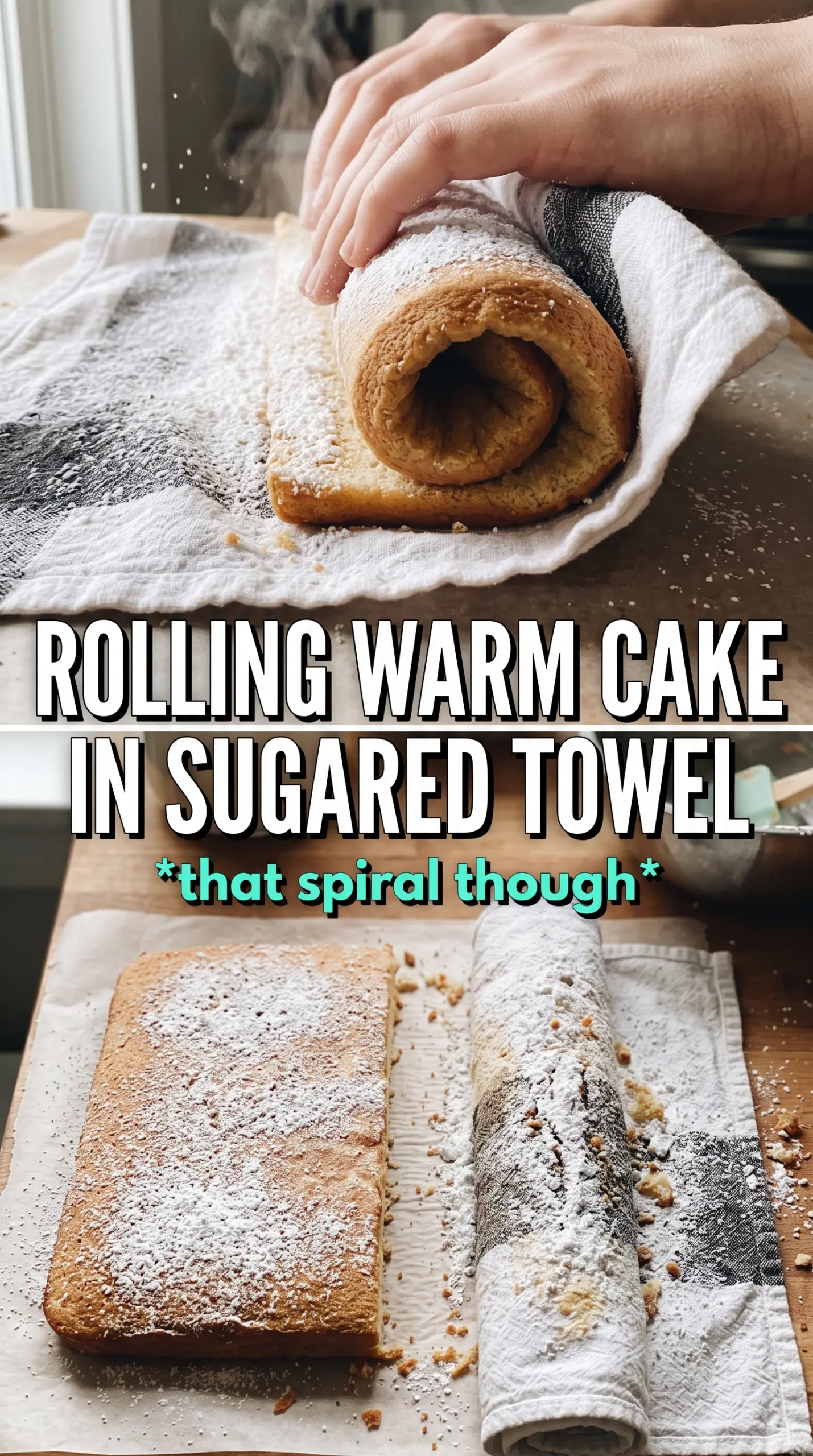
The trick is in the timing. The cake comes out of the oven and goes straight onto a powdered sugar-dusted towel while it is still hot, which keeps it from cracking when you roll it. The filling is thick enough to hold its shape but soft enough to spread without tearing the cake, and that balance matters more than any fancy decorating step.
Below, you’ll find the small details that keep the roll neat, the filling smooth, and the finished cake easy to slice. If you’ve ever had a pumpkin roll split on you, this version is built to avoid exactly that.
The cake rolled without a single crack, and the cream cheese filling stayed thick and smooth after chilling. I used the towel method for the first time and it made the whole process feel way less stressful.
Save this pumpkin spice cake roll for the dessert that needs a neat swirl, a soft crumb, and a chilled cream cheese filling.
The Roll Cracks When the Cake Gets Too Cool
A pumpkin cake roll usually fails in one of two places: the cake dries out in the oven, or it gets left in the pan long enough to lose the flexibility it needs for rolling. This version avoids both by baking just until the top springs back and then turning it out immediately. That first hot roll in the towel sets the shape while the cake still has enough steam in it to bend instead of split.
The other thing that matters here is thickness. The batter needs to be spread all the way to the corners of the jelly roll pan in an even layer, because thin spots bake faster and become fragile seams once you start rolling. A cake that looks a little underdone in the center is usually right on time here; overbaking is what gives you cracks, not a slightly soft crumb.
- Roll it hot: The cake needs to be rolled within minutes of leaving the oven. Waiting makes it stiff and far more likely to break at the first turn.
- Use a powdered sugar towel: That layer keeps the warm cake from sticking to the towel while it cools in shape.
- Watch the bake closely: Eleven minutes can be enough in one oven, thirteen in another. Pull it when the center springs back lightly to the touch.
- Cool completely before filling: If the cake is even a little warm, the filling softens and the roll can slide apart.
What the Pumpkin, Sugar, and Cream Cheese Are Each Doing
- Pumpkin puree: This gives the cake its moisture and that unmistakable pumpkin flavor, but it also makes the batter heavier than a standard sponge. Use plain pumpkin puree, not pumpkin pie filling, or the cake will be too sweet and too loose.
- Eggs: The eggs are the structure here. Beating them with the sugar until thick traps air, which helps the cake stay light enough to roll without breaking.
- Powdered sugar in the filling: This is what thickens the cream cheese mixture into something spreadable that still holds its shape after chilling. Granulated sugar won’t dissolve the same way and can leave the filling gritty.
- Softened cream cheese and butter: Both need to be fully softened so the filling turns smooth instead of lumpy. Cold dairy leaves streaks no amount of stirring can fix.
- Pumpkin pie spice plus cinnamon: The blend gives the cake warmth, while the extra cinnamon in the filling keeps the inside from tasting flat against the sweet cream cheese.
Building the Spiral Without Tearing the Cake
Whipping the Base Until It Thickens
Beat the eggs and granulated sugar until the mixture turns pale, thick, and ribbon-like. That extra volume gives the cake lift without adding more flour, which is important because a dense batter will crack when you roll it. Once the pumpkin and vanilla go in, mix only until combined so you don’t knock out all the air you just built.
Folding the Dry Ingredients Gently
Fold in the flour, baking powder, baking soda, spice, cinnamon, and salt just until the streaks disappear. Overmixing here makes the cake tough, and tough cake doesn’t bend well. The batter should look smooth and spreadable, not elastic.
Baking for Flexibility, Not Color
Spread the batter evenly into the prepared jelly roll pan and bake until the top springs back when touched. Don’t wait for deep browning; that usually means the edges have already gone too far. The best pumpkin roll cake is soft and set, with just enough structure to hold the spiral after chilling.
Rolling, Filling, and Chilling
Turn the hot cake onto a powdered sugar-dusted towel, peel away the parchment, and roll it from the short end while it’s still warm. Let it cool all the way in that shape, then unroll carefully and spread the filling evenly almost to the edges. Roll it back up snugly, wrap it in parchment, and chill for at least an hour so the filling firms and the slices stay neat.
How to Adapt This Pumpkin Roll for Different Kitchens
Dairy-Free Filling
Use dairy-free cream cheese and a plant-based butter that stays firm when chilled. The filling won’t have quite the same tang as the original, but it will still spread smoothly and slice cleanly once it has time to set in the fridge.
Gluten-Free Version
A good 1:1 gluten-free baking blend can work here, but use one with xanthan gum already included if possible. The cake may be a little more delicate, so roll it gently and don’t skip the full chill before slicing.
Extra-Spiced Filling
If you want the filling to echo the cake more strongly, add an extra 1/4 teaspoon cinnamon or a pinch of pumpkin pie spice. That gives the center a warmer finish without making it taste like straight frosting.
Make Ahead for Serving
This roll is a good make-ahead dessert. Chill it overnight, then dust with powdered sugar right before serving so the top still looks fresh and the sugar doesn’t melt into the surface.
Storage and Reheating
- Refrigerator: Store covered for up to 4 days. The cake stays moist, and the filling firms up even more after the first day.
- Freezer: Freezes well. Wrap the whole roll tightly in parchment and then foil, or freeze slices individually for up to 2 months. Thaw in the refrigerator so the filling doesn’t weep.
- Reheating: This dessert is best served chilled or at cool room temperature, not warmed. Reheating softens the filling and can make the spiral slump.
Answers to the Questions Worth Asking
Pumpkin Spice Cake Roll
Ingredients
Equipment
Method
- Preheat the oven to 375°F, then grease a 15x10 jelly roll pan and line it with parchment.
- Beat the eggs and granulated sugar until thick and pale, then mix in the pumpkin puree and vanilla.
- Fold in the all-purpose flour, baking powder, baking soda, pumpkin pie spice, cinnamon, and salt until just combined.
- Spread the batter evenly in the prepared pan, then bake for 11-13 minutes until the cake springs back when lightly pressed.
- Immediately invert the hot cake onto a powdered sugar-dusted towel, then peel off the parchment.
- Roll the cake in the towel from the short end and cool completely so the spiral holds its shape.
- Beat the cream cheese, powdered sugar, butter, vanilla, and cinnamon until smooth.
- Unroll the cooled cake, spread the filling evenly over the surface, then re-roll without the towel.
- Wrap the rolled cake in parchment and chill for 1 hour to set before slicing.
- Dust with powdered sugar, slice, and serve.