Pecan pie bars hit that sweet spot between bakery-level dessert and something you can actually cut into clean squares for a crowd. The shortbread base stays sturdy and buttery instead of getting lost under the filling, and the topping bakes into a glossy, caramel-like layer with pecans that still taste toasted, not soft and soggy. A little flaky salt at the end keeps every bite from tipping too far into sweet.
The part that makes these work is the two-stage bake. The crust gets a head start so it stays crisp under the filling, and the pecan mixture is cooked briefly on the stove before it goes into the oven. That quick boil helps the sugar and honey thicken enough to set properly, which means you get neat bars instead of a sticky puddle that runs everywhere when you slice it.
Below, I’m walking through the small details that matter here: how firmly to press the crust, what the filling should look like before it goes on, and how to cut the bars cleanly once they’re cool. Those are the places where pecan bars usually go wrong, and they’re easy to get right once you know what to watch for.
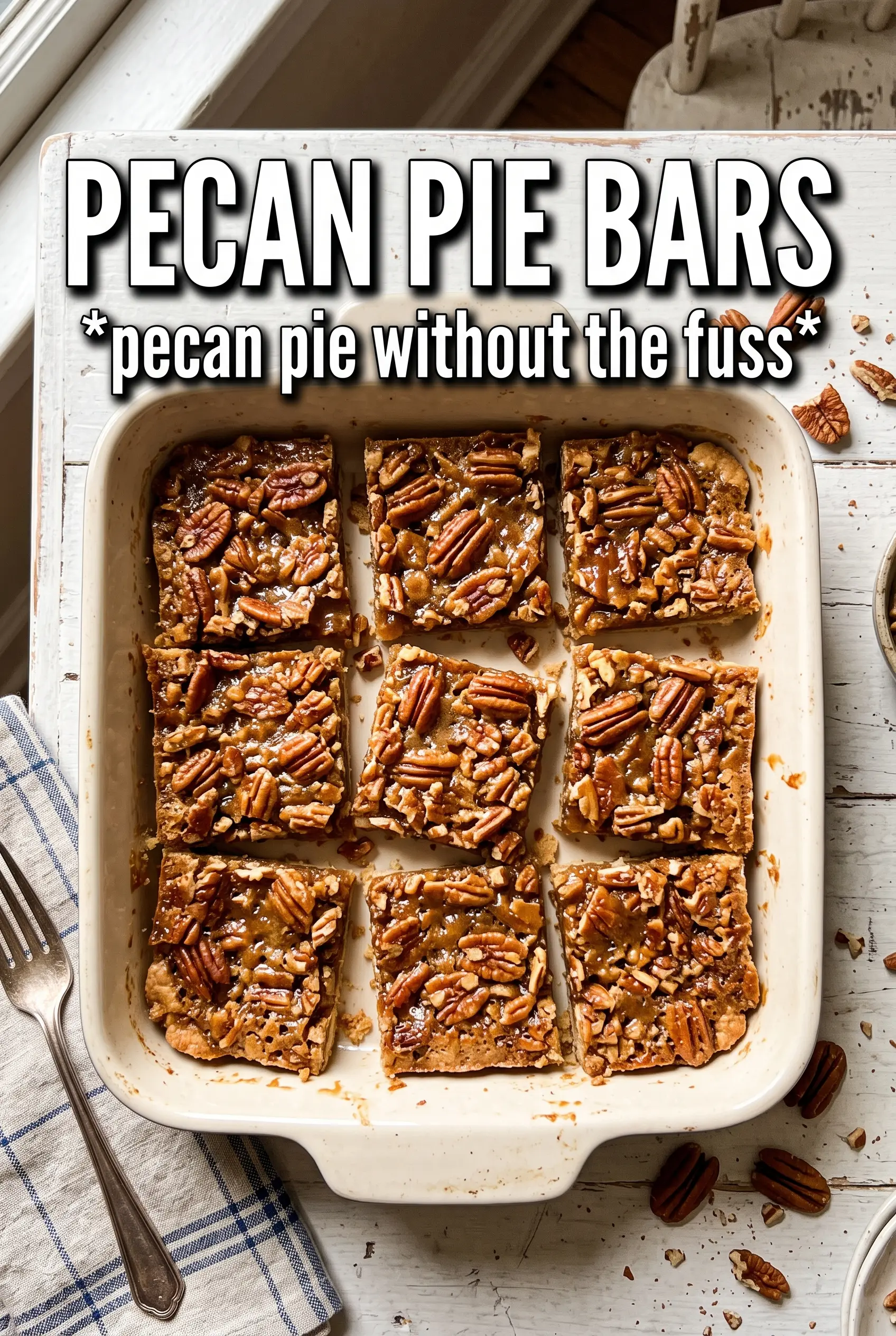
The filling set up glossy and firm, and the shortbread stayed crisp even under all that caramel. I sprinkled a little extra flaky salt on top and everyone kept sneaking back for “just one more square.”
Like these pecan pie bars? Save them to Pinterest for the buttery shortbread base and glossy caramel pecan topping.
The crust has to bake before the filling hits it
Pecan pie bars fail when the crust goes in underbaked. The filling is heavy, sweet, and full of fat, and if the base is still soft when you pour it on, the whole thing turns dense instead of sliceable. Baking the shortbread first gives you a dry, sandy layer that sets into a firm, buttery foundation.
Press the crust in evenly and don’t leave it loose at the corners. Uneven packing shows up later as crumbling edges and darker spots where the butter pooled. You want the top to look pale golden, not deeply browned, because it still has another round in the oven once the filling goes on.
What the butter, honey, and pecans are each doing
- All-purpose flour — This gives the shortbread its structure. A lower-gluten flour like pastry flour works too, but all-purpose is sturdy enough to hold the filling without going tough.
- Powdered sugar — It melts smoothly into the crust and keeps the texture tender. Granulated sugar makes the base a little more sandy and less cohesive.
- Cornstarch — This is the difference between a crisp shortbread and one that feels bready. Don’t skip it unless you plan to use an equal amount of pastry flour and accept a firmer crust.
- Cold butter for the crust — Cold butter is what keeps the base from turning greasy. Work it in just until the dough holds when pressed; if it looks smooth like cookie dough, you’ve gone too far.
- Honey — It gives the filling a deeper, rounder sweetness and helps it stay glossy after baking. Maple syrup can stand in, but the bars will taste less classic and set a touch softer.
- Heavy cream — This loosens the sugar long enough to boil into a syrup, then helps the filling set with a rich chew. Half-and-half will work in a pinch, but the topping won’t be quite as lush.
- Whole pecans — Whole pecans keep their shape and give you that classic bar texture. Chopped pecans spread more evenly, but they lose some of the dramatic top layer and can make slicing messier.
- Flaky sea salt — It doesn’t just finish the bars; it keeps the caramel from tasting flat. Use it sparingly so you get little bright pops, not a salty top crust.
Cook the topping just long enough to thicken, not so long that it turns candy-like
Building the shortbread base
Mix the flour, powdered sugar, cornstarch, and salt first, then cut in the cold butter until the mixture looks like coarse crumbs that hold together when squeezed. That texture matters more than a perfectly smooth dough. Press it into the pan in an even layer, getting into the corners and along the sides so the filling has nowhere to leak. If the crust feels too soft and sticky, the butter warmed up too much, and the bars will bake up greasy instead of tender.
Boiling the filling to the right point
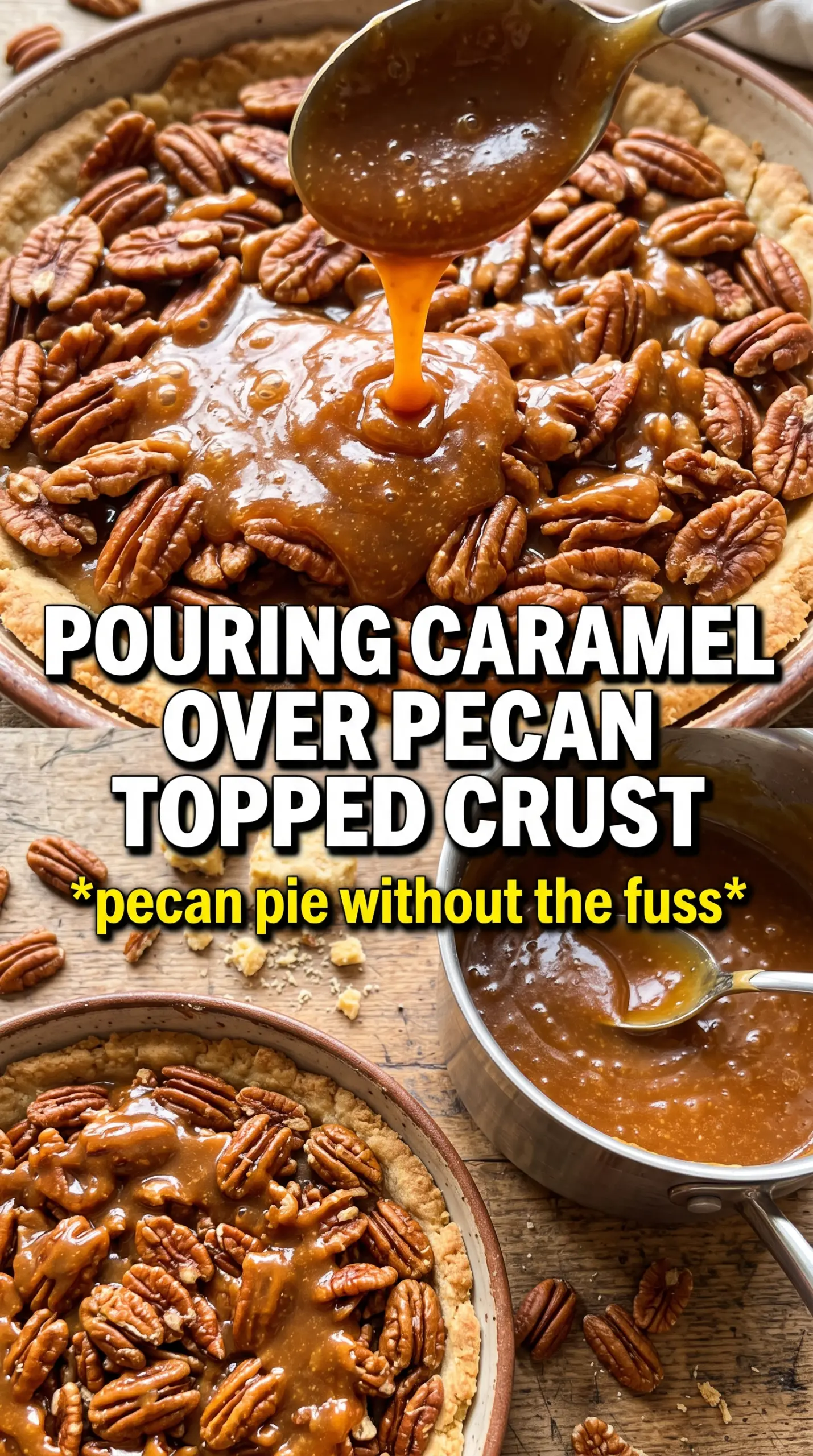
Melt the butter, brown sugar, honey, and cream together over medium heat, then bring it all the way to a real boil. Let it bubble for two minutes, not just until the edges start moving. That short boil dissolves the sugar completely and thickens the syrup enough to set once baked. Pull it off the heat before adding the vanilla and pecans; if you keep cooking after the pecans go in, the nuts can turn harsh and the mixture can get too thick to pour.
Finishing the bars without overbaking them
Pour the hot filling over the hot crust and spread the pecans into an even layer. Bake until the center looks set and no longer sloshes when you nudge the pan, but the top still has a little gloss to it. If you wait until it looks dry all the way across, the filling will bake too far and turn crumbly once cool. Let the bars cool completely before slicing, because the filling firms as it cools and that is what gives you clean squares instead of sticky wedges.
How to adapt these bars without losing the texture
Gluten-free version with a crisp base
Swap the all-purpose flour for a good 1:1 gluten-free baking blend that already contains xanthan gum. The crust may be a little more delicate, so press it firmly and let it cool fully before adding the filling. The filling itself is naturally gluten-free, so the texture change comes mostly from the base.
Dairy-free pecan pie bars
Use a firm vegan butter for both the crust and the filling, and replace the heavy cream with full-fat coconut cream. The bars will still set, but the flavor shifts slightly and the topping tastes a little more coconut-forward. Choose a neutral vegan butter if you want the pecans and honey notes to stay in front.
Chopped pecans for a tighter slice
If you want neater portions and a little more coverage in every bite, use chopped pecans instead of whole. The bars still taste rich and nutty, but the top won’t have the same bakery-style look, and the filling will lock together a bit more tightly when sliced.
Storage and Reheating
- Refrigerator: Store in an airtight container for up to 5 days. The filling firms up in the fridge, and the crust stays pleasantly crisp.
- Freezer: These freeze well. Wrap individual bars tightly and freeze for up to 2 months, then thaw in the fridge so the topping doesn’t weep.
- Reheating: Serve at room temperature for the best texture. If you want to warm one, use a very short burst in the microwave; long heating softens the crust and makes the filling loose.
Answers to the questions worth asking
Pecan Pie Bars
Ingredients
Equipment
Method
- Preheat oven to 350F (175C) and line a 9x13 pan with parchment for easy lifting.
- In a mixing bowl, combine all-purpose flour, powdered sugar, cornstarch, and salt.
- Cut in cold unsalted butter, cubed, until the dough just comes together.
- Press the dough firmly and evenly into the prepared pan.
- Bake for 18-20 minutes, until the crust is pale golden.
- Melt unsalted butter, brown sugar, honey, and heavy cream over medium heat.
- Bring the mixture to a boil and cook for 2 minutes for a thicker caramel.
- Remove from heat and stir in salt, vanilla extract, and whole pecans until glossy and coated.
- Pour the pecan filling over the hot shortbread base.
- Bake for 20-25 more minutes, until the filling is set.
- Sprinkle with flaky sea salt, then cool completely before slicing so the bars hold their shape.