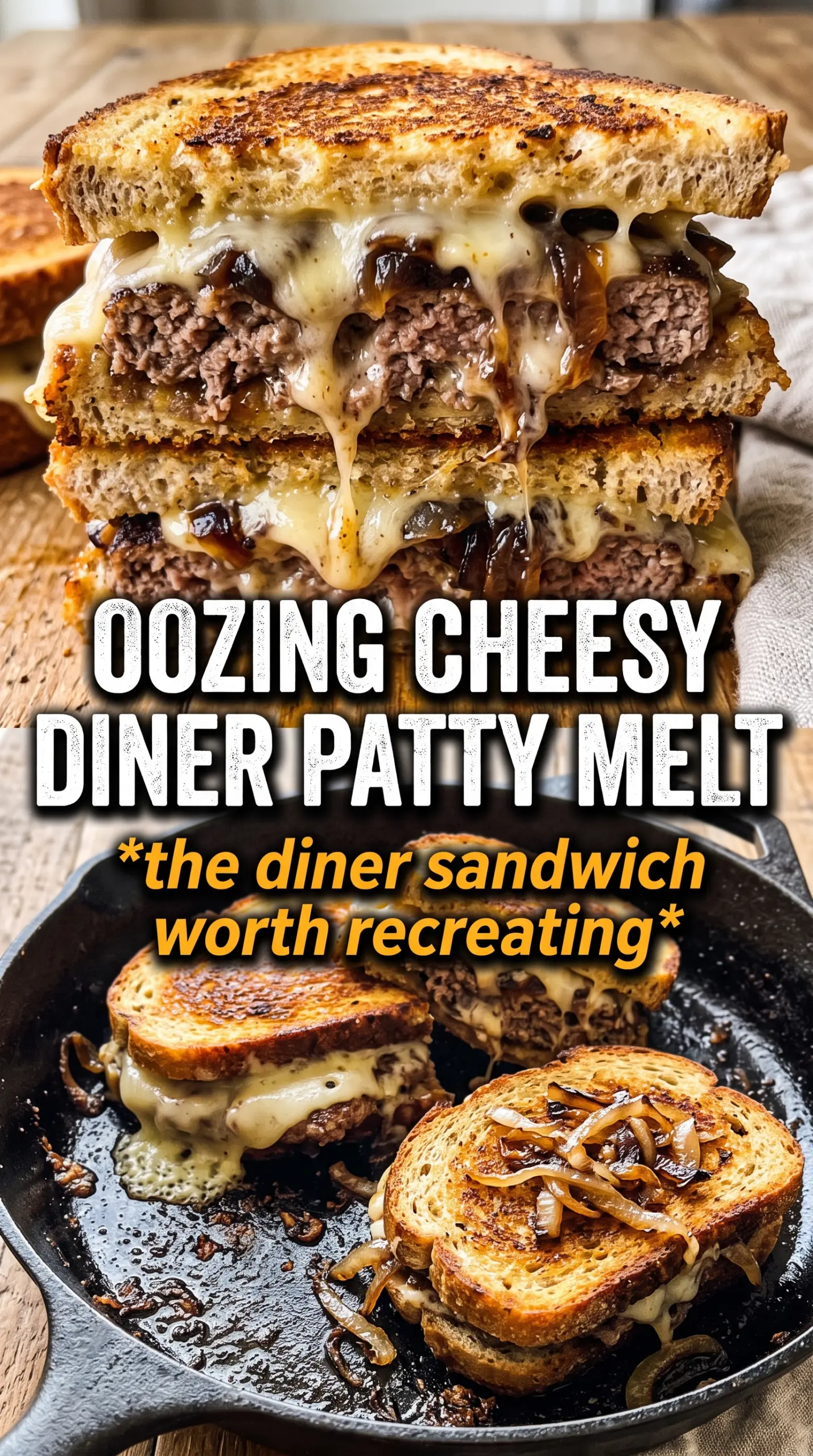
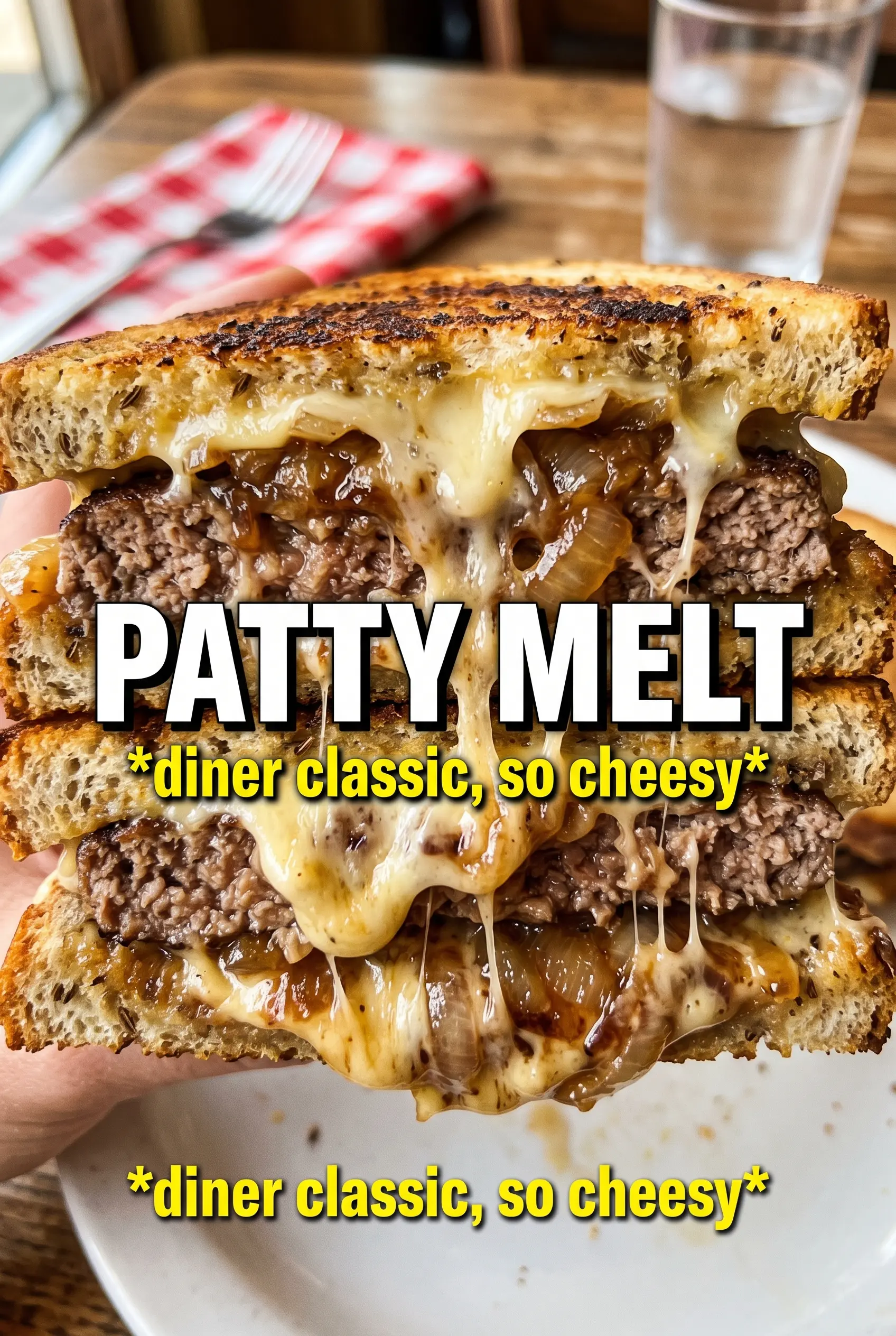
With crispy rye bread, a juicy smash burger patty, sweet onions, and a ribbon of melted Swiss and cheddar, a patty melt hits that perfect middle ground between diner comfort food and a sandwich you’ll want to make at home again and again. The best ones have contrast in every bite: buttery toast on the outside, beefy edges in the middle, and onions that taste cooked down into something almost jammy.
This version leans on a hot cast iron skillet and a simple two-cheese combination, which matters more than it sounds. Swiss brings the nutty melt and cheddar or American keeps the center soft and creamy instead of stretching thin and greasy. The onions cook low and slow until they lose their bite, then the sandwich goes back into the skillet at the end so the cheese melts while the bread stays crisp.
Below, I’ll walk through the part that makes the biggest difference: how to get the onions deeply caramelized without rushing them, and how to press the sandwich just enough that it holds together without squeezing out all the good stuff.
The onions came out sweet and jammy, and the bread stayed crisp even after I pressed the sandwich back in the skillet. My husband said it tasted like a diner patty melt, only better.
Save this patty melt for the nights when you want a diner-style sandwich with crisp rye, molten cheese, and deeply caramelized onions.
The Part That Makes a Patty Melt Taste Like a Real Diner Sandwich
The biggest mistake with a patty melt is treating it like a regular burger on bread. Rye browns fast, so if the heat is too high when the sandwich goes together, the outside burns before the cheese softens and the onions settle into the beef. The fix is to do the heavy work in stages: get the onions fully caramelized first, cook the patties hard and fast, then finish the assembled sandwich over moderate heat so everything has time to melt together.
The other detail that matters is thickness. Smash the beef thin enough to get good crusty edges, but not so thin that it dries out under the second toast in the skillet. You want a patty that stays juicy enough to handle the bread and cheese without turning the whole sandwich soggy.
What Each Ingredient Is Doing in This Patty Melt
- 80/20 ground beef — The fat keeps the patty juicy and helps the edges brown in the skillet. Leaner beef can work, but it won’t taste as rich and it dries out faster when you press the sandwich at the end.
- Rye bread — This is the backbone of the sandwich. Its sturdy crumb and sharp flavor stand up to the beef and onions; soft sandwich bread won’t hold the filling without getting soggy.
- Swiss cheese — Swiss gives you that classic nutty melt that belongs in a patty melt. It softens smoothly without turning oily.
- Sharp American or cheddar — This is the gooey layer that helps the center bind together. If you use cheddar, pick one that melts well; a very aged cheddar can turn grainy before it fully melts.
- Onions — Thin slicing matters here because the onions need to collapse and sweeten over 25 to 30 minutes. If they’re cut too thick, they’ll stay stringy instead of turning soft and jammy.
- Worcestershire sauce — It seasons the beef with savory depth and a little tang. You could skip it, but the sandwich loses that diner-style richness that makes it taste finished.
- Butter — Butter is for the bread and for the onions, and both uses matter. It browns the rye and helps the onions cook without sticking, but don’t crank the heat or it will burn before the sandwich is ready.
Building the Sandwich So the Bread Stays Crisp
Caramelizing the Onions Slowly
Start the onions over medium-low heat with butter and give them time. They should soften first, then turn golden, then deepen into a rich brown with a sweet smell that tells you the moisture has cooked off. If the pan gets too hot, they’ll scorch on the edges before the slices break down, so keep the heat low enough that you can stir them without hearing aggressive sizzling.
Seared Patties, Not Dense Burgers
Divide the beef into loose balls and season them right before they hit the pan. Smash them thin in a hot cast iron skillet so you get browning at the edges fast, then leave them alone long enough to form a crust before flipping. If you press too hard after they’re already cooking, you squeeze out the juices and end up with a dry filling that can’t stand up to the sandwich.
Toasting and Melting in the Final Press
Butter the rye and toast it in the skillet before you build the sandwich. That first toast gives the bread a head start, which keeps it from soaking up grease once the onions and cheese go in. After assembly, return the sandwich to the pan and press it gently for just 1 to 2 minutes per side, until the cheese is fully melted and the outside is a deep golden brown.
Make It with Swiss Only
If you want a more traditional diner-style finish, use Swiss on both layers and skip the cheddar. The flavor gets a little cleaner and more nutty, and the sandwich tastes less rich, but the melt is a touch more elegant and less heavy.
Dairy-Free Version
Use a plant-based butter for the bread and onions, and swap in a dairy-free cheese that melts well. The sandwich still works, but the cheese layer will usually be a little less stretchy, so keep the final press gentle and don’t rush the melt.
Gluten-Free Adaptation
Use sturdy gluten-free sandwich bread that can handle a skillet toast without falling apart. It won’t have rye’s sharp flavor or the same chew, so choose a loaf with some structure and toast it before assembling so it doesn’t turn soft under the onions.
Storage and Reheating
- Refrigerator: Store assembled sandwiches for up to 2 days, though the bread softens a bit as it sits.
- Freezer: I don’t recommend freezing the finished sandwich. The onions and cheese change texture, and the bread loses that crisp skillet finish.
- Reheating: Reheat in a skillet over medium-low heat with a lid for a minute or two to warm the center, then uncover and crisp both sides again. The common mistake is using high heat, which burns the bread before the middle gets hot.
Questions I Get Asked About This Recipe
Patty Melt
Ingredients
Equipment
Method
- Melt 2 tablespoons of butter in a cast iron skillet over medium-low heat and add the thinly sliced onions. Cook for 25-30 minutes, stirring occasionally, until deeply golden and soft.
- Divide the ground beef into 4 balls and season each with Worcestershire sauce, garlic powder, salt, and black pepper. Press the seasoning into the meat so it adheres.
- Heat the cast iron skillet over high heat. Smash each beef ball thin and cook for 2-3 minutes per side until browned.
- Toast the rye bread slices in the same skillet with butter until golden at the edges. Keep moving them so they don’t burn.
- Assemble each sandwich with toasted rye, special sauce, caramelized onions, a smashed patty, and both cheeses. Top with more onions and the remaining toast.
- Return the assembled sandwiches to the cast iron skillet and press gently to help contact. Cook 1-2 minutes per side until the cheese is melted and the bread is crisp.