Orange bourbon cranberry sauce lands in that sweet spot between bright and grown-up. The cranberries cook down into a glossy, ruby-red spoonful with enough texture to hold its shape, while the orange and bourbon keep it from tasting flat or one-note. It’s the kind of side that wakes up everything on the plate, from roast turkey to a simple piece of toast the next morning.
The trick is adding part of the bourbon early so it cooks into the base, then stirring the rest in off the heat. That keeps the boozy edge from disappearing completely and gives the sauce a deeper, rounder finish. Fresh orange zest at the end does the same job for the citrus, keeping the flavor vivid instead of muted.
Below, I’ve included the timing cues that matter most, plus a few smart ways to tweak this sauce if you want it a little sweeter, a little stronger, or make-ahead friendly for the holidays.
The sauce thickened up beautifully and the orange zest at the end made it taste fresh instead of just sweet. I made it the day before, and it was even better chilled.
Love the deep orange color and bourbon warmth in this cranberry sauce? Save it to Pinterest for the next roast dinner or holiday table.
The Trick to Cranberry Sauce That Tastes Brighter, Not Just Sweeter
Cranberry sauce gets dull fast when the sugar has all the say. The orange juice gives you liquid and acidity, but the real balance comes from cooking the berries just until they burst and the sauce turns glossy. If you let it go much longer, it can reduce into something jammy and stiff instead of spoonable.
The bourbon matters in two places. A little goes in with the simmering liquid so it cooks down and blends into the background, while the last splash goes in after the heat is off, where it stays fragrant and noticeable. That split is what keeps the sauce tasting layered instead of boozy or cooked out.
- Fresh cranberries — These need no peeling or trimming, and their natural pectin is what thickens the sauce. Frozen cranberries work too; add them straight from the freezer and expect a minute or two more on the stove.
- Brown sugar — It brings molasses depth that white sugar doesn’t. If you swap in white sugar, the sauce will still work, but it tastes sharper and a little less rounded.
- Orange juice and zest — Juice carries the sauce, while zest gives the orange flavor its top note. Skip bottled juice if you can; fresh juice tastes cleaner and keeps the sauce from going flat.
- Bourbon — Use something you’d happily sip. You don’t need top-shelf, but very harsh bourbon will stay harsh in the finished sauce, especially since part of it isn’t cooked off.
- Cinnamon stick — This seasons the sauce without turning it into a spice-heavy dessert. Ground cinnamon can work in a pinch, but use a tiny amount or it will muddy the sauce.
What Happens in the Pan and Why the Order Matters
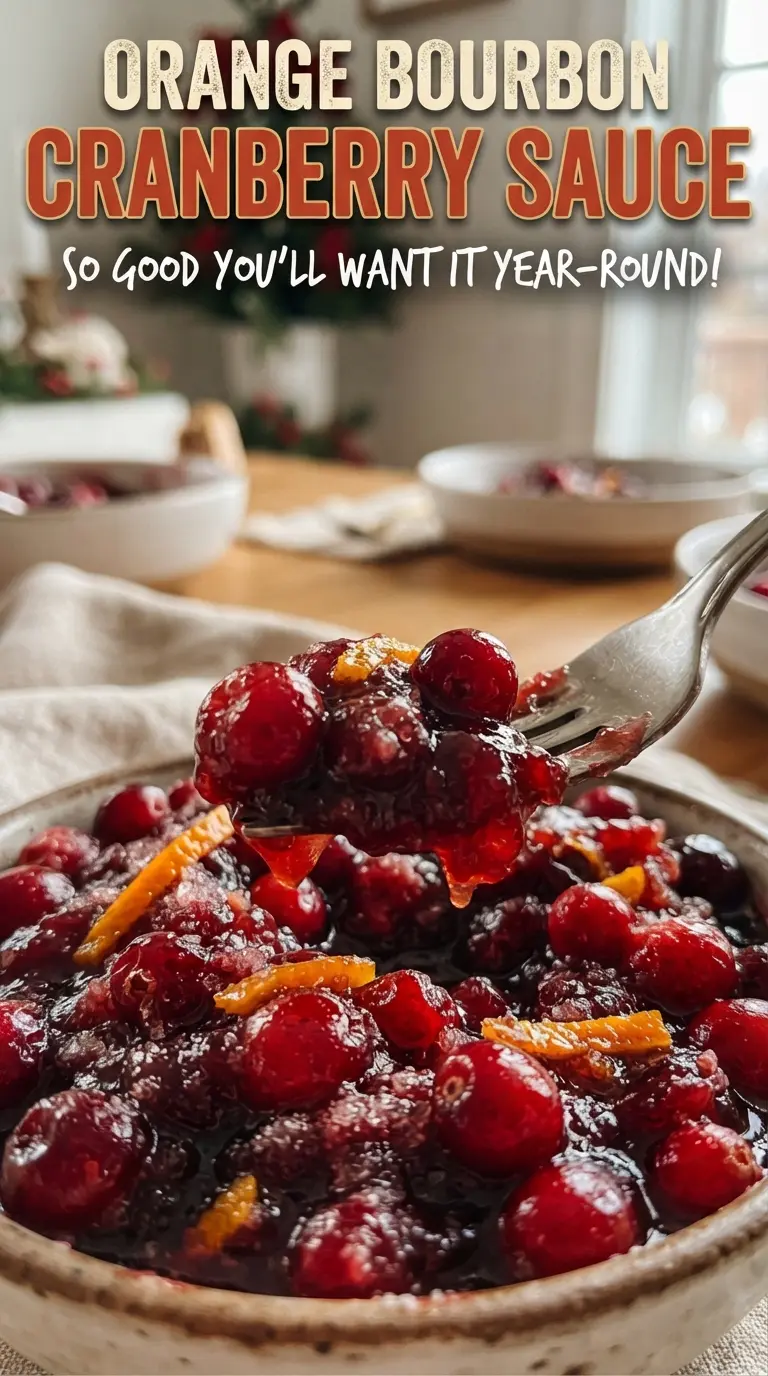
The ingredient order gives you control over texture. Starting with the sugar, juice, bourbon, cinnamon, and salt dissolves the sugar before the berries go in, which helps the sauce cook evenly instead of catching on the bottom. Once the cranberries are added, the pot should move from a full boil to a steady simmer pretty quickly.
Building the Syrup Base
Bring the orange juice, brown sugar, 2 tablespoons of bourbon, cinnamon stick, and salt to a boil first. You want the sugar fully dissolved and the liquid looking smooth, not grainy. If you add cranberries too early, the sugar can cling to the berries and take longer to melt, which makes the whole pan cook unevenly.
Cooking Until the Berries Burst
Stir in the cranberries and let them simmer for 10 to 12 minutes. You’ll hear soft popping as the skins split, and the liquid will turn from thin and bright to thicker and glossy. If the heat is too high, the bottom can scorch before the berries finish collapsing, so keep it at a lively simmer rather than a hard, aggressive boil.
Finishing for Fresh Orange and Bourbon Aroma
Take the pan off the heat before stirring in the remaining bourbon and the orange zest. That off-heat finish keeps both flavors noticeable in the final sauce instead of cooking them away. Pull out the cinnamon stick, then let the sauce cool; it will thicken more as it sits, especially after chilling.
How to Adjust the Sweetness, Strength, and Make-Ahead Timing
Less sweet, more tart
Cut the brown sugar back by 2 to 3 tablespoons if you like a sharper cranberry sauce. The texture stays the same, but the berry flavor comes forward faster and the orange tastes brighter.
Alcohol-free version
Replace the bourbon with extra orange juice or a splash of apple juice. You’ll lose the warm, oaky depth, but the sauce still cooks down properly and stays balanced.
Warm spice variation
Add a strip of orange peel or a tiny pinch of cloves with the cinnamon stick if you want a more holiday-leaning version. Keep it subtle; too much spice hides the cranberry and bourbon combination that makes this sauce stand out.
Storage and Reheating
- Refrigerator: Store in an airtight container for up to 1 week. It thickens as it chills, so the texture will look looser when warm than when cold.
- Freezer: It freezes well for up to 2 months. Cool completely first, then freeze in a sealed container with a little headspace so the sauce can expand.
- Reheating: Warm gently on the stove over low heat or in short microwave bursts. Don’t boil it hard again or it can turn gummy and lose that fresh cranberry texture.
Answers to the Questions Worth Asking
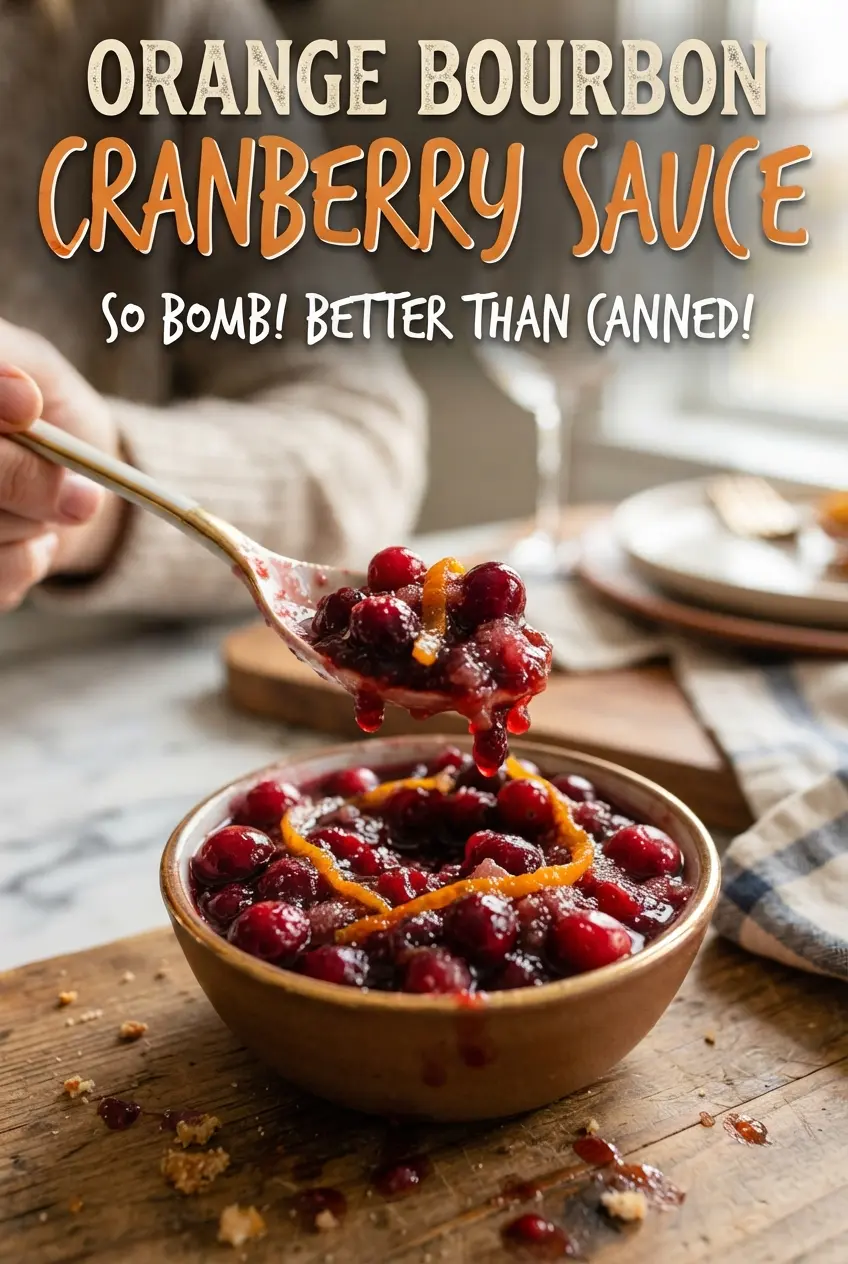
Orange Bourbon Cranberry Sauce
Ingredients
Method
- In a saucepan, combine brown sugar, orange juice, 2 tablespoons bourbon, cinnamon stick, and salt, then bring to a boil over medium-high heat (210°F/99°C).
- Add fresh cranberries and simmer for 10-12 minutes, stirring occasionally, until berries burst and the sauce thickens to a glossy consistency.
- Remove the saucepan from heat and stir in the remaining bourbon and the orange zest until fully incorporated.
- Discard the cinnamon stick.
- Cool the sauce, then chill before serving.