Bright cranberry sauce gets a lot better when it has enough body to sit beside the turkey instead of sliding all over the plate. This version turns glossy and chunky, with the cranberries bursting into a thick, jewel-toned sauce that still has a little texture from the fruit and a final crunch from toasted pecans. The orange juice keeps it lively, while brown sugar adds a deeper, almost caramel note that plain white sugar can’t give on its own.
The key here is cooking the fruit until the cranberries have mostly popped and the sauce has had a minute to reduce. That’s what gives it that spoonable consistency instead of a thin, sharp relish. The orange zest goes in at the end so it stays fragrant and fresh, and the pecans get folded in right before serving so they don’t lose their crunch in the fridge.
Below, I’ve included the little details that matter most: how to keep the sauce from tasting one-note, when to stop simmering, and how to adapt it if you want a smoother finish or a dairy-free, nut-free table spread.
The sauce thickened up beautifully and the orange zest at the end made it taste fresh instead of too sweet. I served it chilled with the pecans on top and everyone kept asking what was in it.
Save this chunky cranberry sauce for the holiday table — the orange, cinnamon, and toasted pecans make every spoonful worth remembering.
The Part That Keeps Cranberry Sauce From Turning Thin and Sharp
Most cranberry sauces miss one important thing: they stop cooking too soon. Fresh cranberries need time to burst and release their pectin, which is what gives the sauce its natural thickness. If you pull it off the heat while the berries are still mostly intact, you’ll end up with a loose, tart syrup instead of a proper sauce.
The other mistake is adding all the flavor at once and boiling it hard from the start. The sugars and juice need to come up together first so the base gets balanced before the berries go in. Once the cranberries hit the pan, a steady simmer is enough. A hard boil after that can drive off too much liquid before the fruit has had time to soften evenly.
- Boiling the sugars and juice first — This dissolves everything cleanly and gives you a smooth base before the cranberries start breaking down.
- Simmering until the berries pop — You want most of them burst open and the liquid to look slightly syrupy around the edges of the pan.
- Cooling before serving — Cranberry sauce thickens a lot as it cools, so it will look thinner in the pot than it does on the plate.
What Each Ingredient Is Doing in This Cranberry Sauce
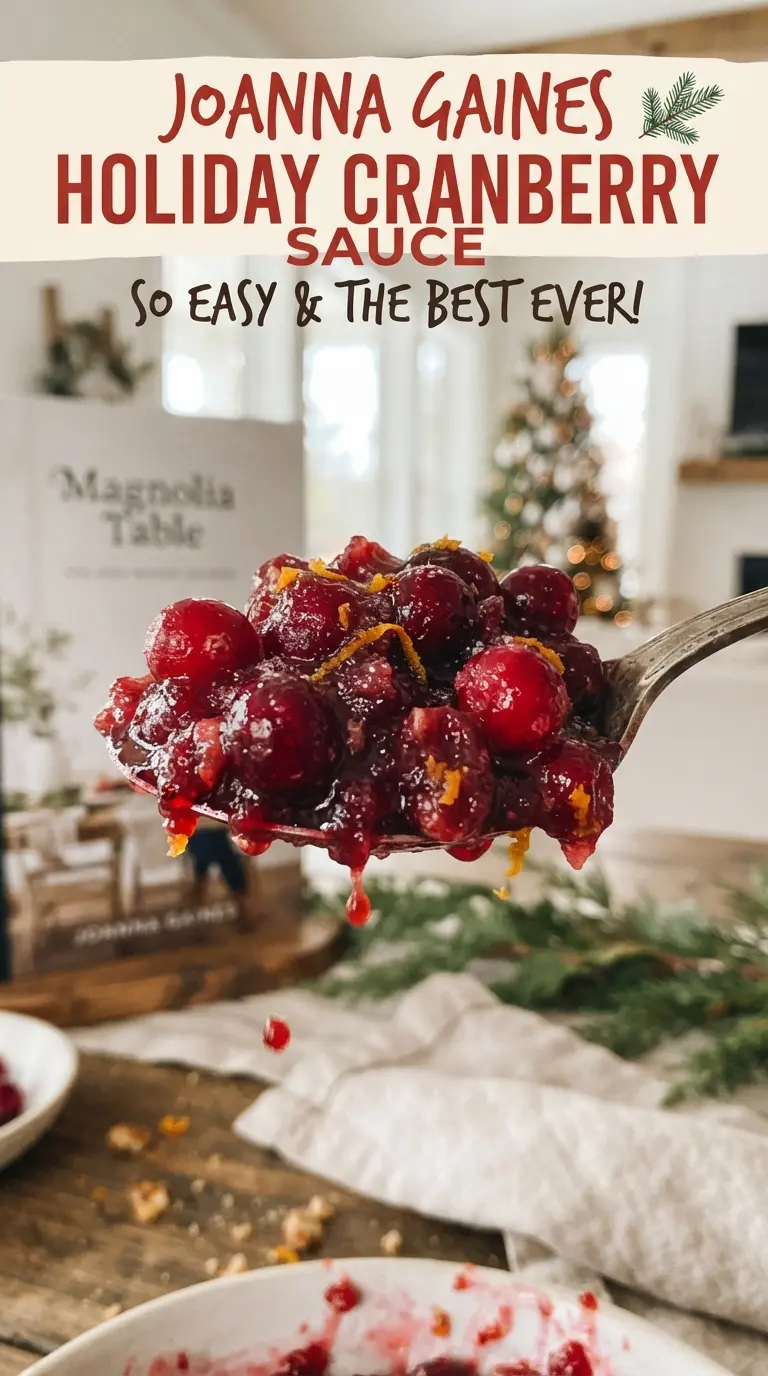
- Fresh cranberries — These are the backbone of the sauce. Frozen cranberries work too; use them straight from the freezer and expect the sauce to take a minute longer to come back to a simmer.
- Brown sugar and white sugar — The mix matters. White sugar keeps the flavor clean, while brown sugar brings a deeper sweetness that makes the cranberry tartness taste rounder instead of harsh.
- Orange juice and zest — Juice gives the sauce its body and brightens the berries, while zest brings the fresh citrus aroma that can’t be replaced by juice alone. If you only have bottled juice, the sauce will still work, but the flavor won’t taste as lifted.
- Cinnamon and ginger — These don’t make the sauce taste like dessert. They add warmth in the background, which helps the cranberry flavor feel fuller.
- Pecans — Toast them first. Untoasted nuts taste flat and soft, and they won’t give you the same contrast against the silky sauce.
Building the Sauce So It Thickens, Not Just Simmering
Start With the Sweet Base
Put the sugars, orange juice, cinnamon, ginger, and salt in the saucepan first and bring it to a boil. You’re looking for the sugar to dissolve completely and the liquid to look clear, not grainy. If the mixture is only steaming and never reaching a real boil, the sugar can settle and give the sauce a sandy finish.
Add the Cranberries and Let Them Pop
Once the base is boiling, stir in the cranberries and keep the heat at a steady simmer. Within a few minutes, the berries will start bursting open and the liquid will turn a deep ruby color. Stir occasionally so the bottom doesn’t catch, but don’t keep jostling it nonstop or the berries break down before the sauce has time to thicken naturally.
Finish With Zest and Patience
Take the pan off the heat when the sauce looks slightly looser than you want. It thickens as it cools, and the orange zest should go in at the end so it stays bright. Let it cool fully before chilling, then stir in the pecans right before serving so they keep their crunch instead of softening in the fridge.
How to Adapt This for a Smoother Sauce, a Bigger Crowd, or No Nuts
Make It Smoother
If you prefer a more classic, less chunky cranberry sauce, simmer it a few minutes longer and stir more often so the berries break down further. You can also mash it lightly with a spoon at the end. That gives you a thicker, more jammy texture without changing the flavor balance.
Dairy-Free and Naturally Gluten-Free
This recipe already fits both of those needs as written. Just double-check that your spices and nuts haven’t been cross-contaminated if you’re cooking for someone with an allergy. The sauce gets all of its body from the cranberries and sugar reduction, so you don’t need any thickeners or dairy.
Skip the Pecans for a Nut-Free Table
Leave the pecans out completely and stir in a little extra orange zest or a handful of finely chopped dried cranberries for texture. The sauce will still be glossy and festive, just without the crunch. Add any garnish on top right before serving if you want that same layered look.
Make It Ahead for a Crowd
This sauce actually tastes better after a few hours in the fridge because the spices settle in and the citrus rounds out. Make it up to three days ahead, chill it, and stir in the toasted pecans just before serving. That keeps the nuts crisp and saves you one last-minute task on a busy day.
Storage and Reheating
- Refrigerator: Store in an airtight container for up to 1 week. It thickens as it chills and the flavor gets a little deeper.
- Freezer: Freeze without the pecans for up to 2 months. Thaw overnight in the fridge, then stir well before serving.
- Reheating: Warm gently over low heat or serve chilled. If you reheat it, do it slowly and add a splash of orange juice if it seems too thick. Boiling it again can make it stick and dull the fresh citrus flavor.
Answers to the Questions Worth Asking
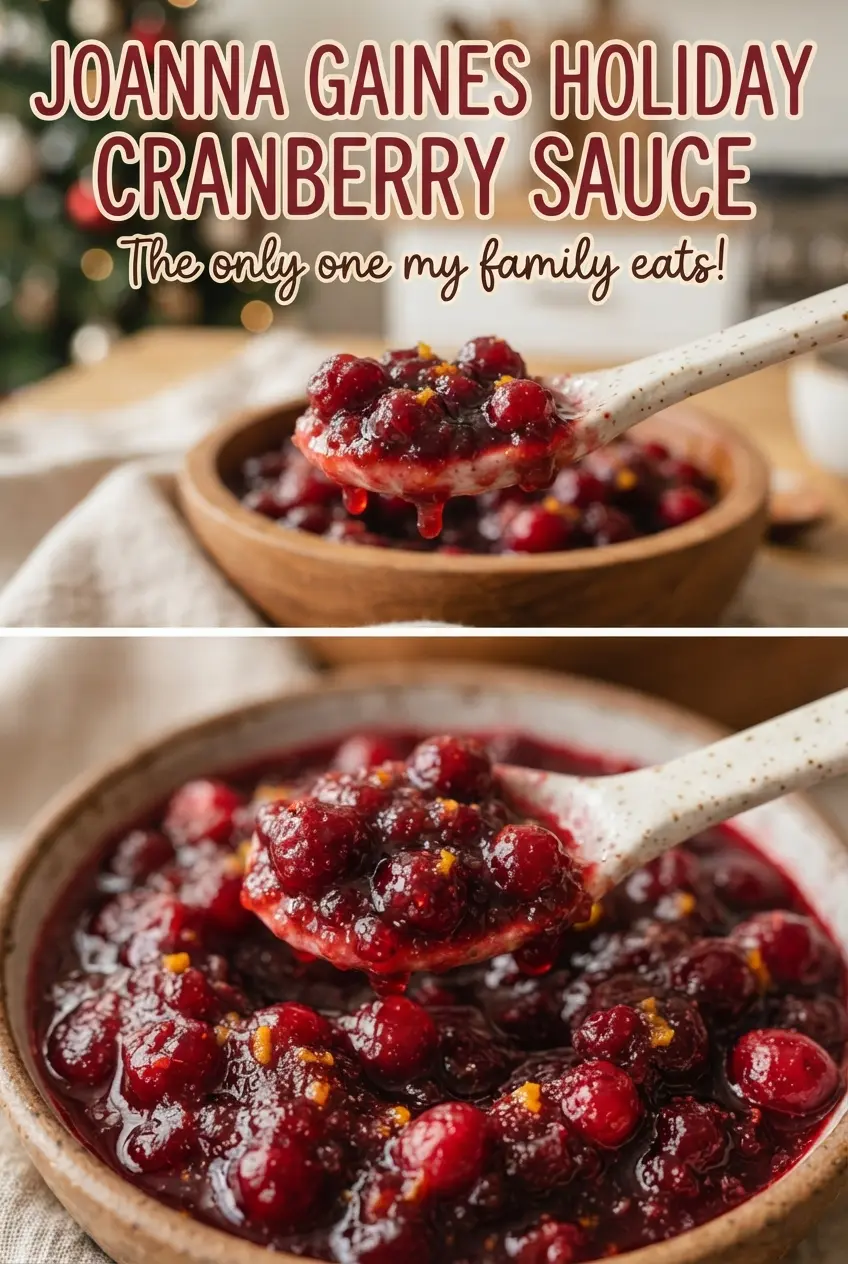
Joanna Gaines Holiday Cranberry Sauce
Ingredients
Equipment
Method
- In a saucepan, combine sugar, brown sugar, orange juice, cinnamon, ginger, and salt, then heat until the mixture reaches a full boil with visible bubbles. (No higher than a steady boil; you should see rolling bubbles across the surface.)
- Add the fresh cranberries and reduce to a simmer for 10-12 minutes, stirring occasionally, until the berries burst and the sauce visibly thickens and looks glossy. (Visual cue: most cranberries split open and the spoon leaves a brief trail.)
- Remove the saucepan from the heat, then stir in the orange zest until it is evenly distributed. (Visual cue: you should see small orange flecks throughout the sauce.)
- Let the sauce cool to room temperature, then chill until serving so it firms up slightly. (Visual cue: it thickens more as it cools and holds shape when spooned.)
- Just before serving, stir in the toasted and chopped pecans to keep them crunchy. (Visual cue: pecan pieces stay distinct and do not disappear into the sauce.)