Cold Fighting Chicken Noodle Soup lands in the bowl with a bright, brothy punch that tastes like it’s doing something useful. The turmeric gives the broth that deep golden color, the ginger and garlic bring a clean heat, and the lemon at the end keeps everything tasting fresh instead of heavy. It’s the kind of soup I reach for when I want comfort, but I still want the broth to taste lively and restorative.
What makes this version work is the layering. The chicken simmers on the bone, which gives the broth more body and a richer taste than boneless pieces ever will. The vinegar and lemon don’t go in at the beginning; they’re stirred in at the end so the soup stays bright and the noodles don’t get muddied by too much acidity while they cook. Even the thyme is used lightly, just enough to support the ginger and garlic without pushing the soup into pot-pie territory.
Below, I’ll show you the small timing choices that keep the noodles from turning mushy and the broth from tasting flat. There’s also a simple storage note, because this soup is one of those pots that gets even better after a night in the fridge.
The broth came out beautifully golden and the ginger gave it this fresh, warming kick. I loved that the noodles stayed tender without falling apart, even after reheating the next day.
Like this golden, gingered chicken noodle soup? Save it to Pinterest for the days when you want a broth that tastes bright, comforting, and worth the simmer.
The Broth Only Works If You Don’t Rush the Chicken
The biggest mistake in chicken noodle soup is treating the broth and the chicken like separate jobs. They’re not. The chicken needs enough time to give the broth body, and that happens when the meat simmers gently on the bone, not when it’s boiled hard. A hard boil tightens the chicken and clouds the broth, while a steady simmer keeps everything tender and clean-tasting.
The other thing worth watching is the acid. Lemon juice and apple cider vinegar belong at the end because they sharpen the broth without dulling the aromatics. If you add them too early, the soup can taste flat by the time the noodles are done. This version keeps the turmeric, ginger, and garlic distinct, then finishes with brightness so the bowl tastes balanced instead of muddy.
What Each Ingredient Is Actually Doing in the Pot
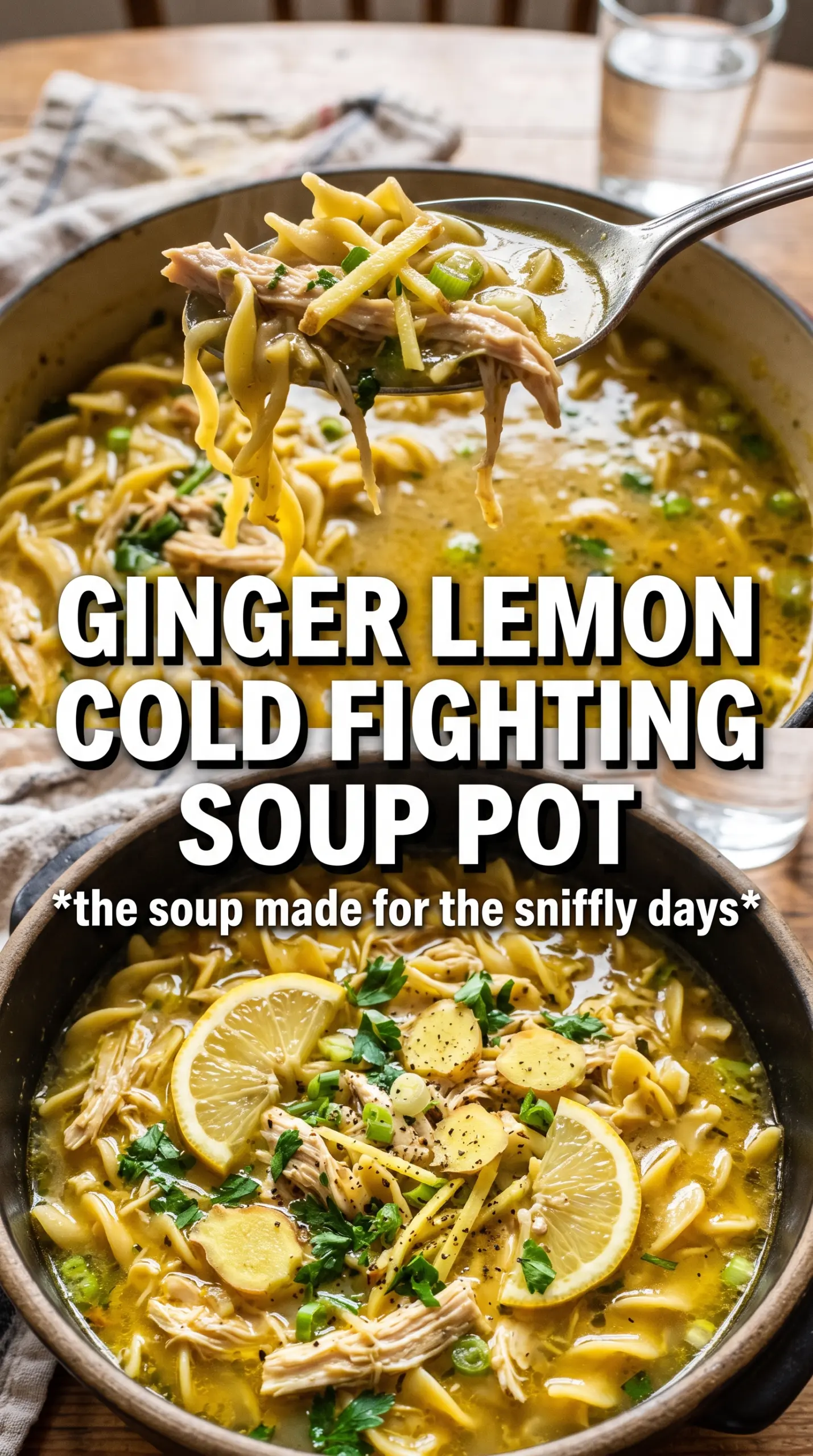
- Bone-in chicken pieces — These build the broth in a way boneless chicken can’t. The bones and skin add richness, and the meat stays flavorful after simmering. If you only have boneless thighs, use them, but the broth won’t have quite the same depth.
- Fresh ginger and garlic — This is the backbone of the soup’s aroma. Fresh ginger gives warmth without making the broth spicy-hot, and garlic rounds it out. Powdered versions will work in a pinch, but they taste flatter and less lively here.
- Turmeric — It’s here for color and a gentle earthy note, not to dominate the soup. Blooming it right in the broth gives the soup that deep gold look. Too much and it turns bitter, so stick close to the measurement.
- Egg noodles — They soak up broth fast, which is exactly why they go in near the end. If you plan to have leftovers, cook them just until tender so they don’t turn soft and swollen later. Wide noodles hold up best.
- Lemon juice and apple cider vinegar — These wake the whole pot up at the finish. Lemon adds freshness, while vinegar gives the broth a little edge that makes it taste fuller. Don’t skip both; together they keep the soup from tasting one-note.
Building the Soup So the Noodles Stay Tender
Starting the Pot With the Aromatics
Put the chicken, vegetables, garlic, ginger, broth, turmeric, and thyme into the pot together and bring it up gradually. You want the broth to move from a few lazy bubbles to a steady simmer, not a rolling boil. That slow start gives the onions time to soften and the ginger time to perfume the broth without turning the soup harsh. If the heat is too high here, the broth can taste cloudy before the chicken even gets tender.
Simmering Until the Meat Lets Go
Let the soup simmer for about 25 minutes, or until the chicken is falling off the bone and the carrots are soft at the edges. The broth should look lively but not aggressive, with small bubbles breaking the surface. If the chicken still feels tight in the center, give it a few more minutes; undercooked chicken is harder to shred cleanly and doesn’t release enough flavor. Pulling it too early is the fastest way to end up with a broth that tastes thin.
Shredding and Returning the Chicken
Lift the chicken out and let it cool just enough to handle, then shred the meat and discard the skin and bones. Put the meat back into the pot right away so it can soak up the broth while the noodles cook. This is the moment where the soup gets its body back. If you leave the meat out too long, it dries out and the finished soup feels less integrated.
Cooking the Noodles at the End
Add the egg noodles only after the chicken is returned to the pot. They need just 6 to 8 minutes, and the broth should stay at a gentle simmer so they cook through without breaking apart. The noodles should be tender but still have a little bite in the center. If they sit in hot broth too long, they’ll keep drinking liquid and turn soft, especially after the soup cools.
Finishing With Brightness
Stir in the lemon juice and apple cider vinegar off the heat, then season with salt and pepper. This is the point where the broth should taste clean, savory, and just sharp enough to make you want another spoonful. If the soup tastes flat, it usually needs salt before it needs more lemon. Add the parsley and lemon wedges at the table so each bowl can be adjusted the way it should be.
How to Adapt This for a Different Pantry or a Bigger Batch
Make It Gluten-Free With Rice Instead of Noodles
Swap the egg noodles for cooked rice or gluten-free noodles. Rice holds up better in leftovers, while gluten-free pasta can soften faster if it sits in the broth. If you use rice, stir it into each bowl before serving instead of simmering it in the pot so the texture stays right.
Use Boneless Chicken Thighs When That’s What You Have
Boneless thighs will still give you tender chicken, but the broth will be lighter and a little less rich. Cut the simmer time slightly if they’re small so they don’t overcook and turn stringy. This is the fastest route when you need the soup on the table, just with a touch less depth.
Make It Dairy-Free Without Changing Anything
This soup is naturally dairy-free as written, which is one reason it works so well for a wide range of eaters. Keep the broth, turmeric, ginger, and lemon exactly the same. The flavor comes from the aromatics and the chicken, not from cream or butter.
Storage and Reheating
- Refrigerator: Store for up to 4 days. The noodles will soften a bit as they sit, and the broth may thicken slightly.
- Freezer: Freeze the soup without the noodles for the best texture. Add freshly cooked noodles after thawing so they don’t turn mushy.
- Reheating: Reheat gently over medium-low heat until just steaming. A hard boil will break the noodles and make the chicken stringy, so keep the simmer soft and steady.
Answers to the Questions Worth Asking

Cold Fighting Chicken Noodle Soup
Ingredients
Equipment
Method
- Combine chicken pieces, carrots, celery, onion, garlic, ginger, chicken broth, turmeric, and dried thyme in a large pot. Bring everything to a boil with visible bubbling throughout.
- Reduce heat to a gentle simmer and cook for 25 minutes, until the chicken is falling off the bone. Look for soft vegetables and broth that stays actively simmering but not rolling.
- Remove the chicken from the pot, shred it, and return the shredded chicken to the broth, discarding skin and bones. The broth should look more hearty with chicken evenly distributed.
- Add egg noodles and cook for 6-8 minutes, stirring occasionally, until tender. Watch for noodles to soften but still hold their shape.
- Stir in lemon juice and apple cider vinegar, then season with salt and pepper to taste. The soup should brighten in flavor with a slightly tangy finish.
- Ladle the soup into bowls and top with fresh parsley, serving alongside lemon wedges. The surface should be speckled with herbs for a fresh, fragrant cue.