Cinnamon fried apples turn tender in the middle, glossy at the edges, and just syrupy enough to spoon over everything on the plate. The apples hold their shape instead of collapsing into mush, and the cinnamon-brown sugar sauce clings to every slice without turning watery. It’s the kind of side dish that disappears fast because it tastes like dessert, but still fits beside pork chops, pancakes, biscuits, or a simple roast chicken.
The trick is using firm apples and keeping the heat moderate from the start. Honeycrisp gives you sweetness and a clean bite; Granny Smith brings a sharper edge that keeps the sauce from tasting flat. The cornstarch goes in only after the apples have softened, which keeps the sauce smooth and glossy instead of pasty. A little vanilla at the end rounds out the spice without making it taste like pie filling.
Below, I’ll show you how to keep the apples tender instead of breaking down, what to swap if you only have one kind of apple, and how to reheat leftovers without losing that shiny syrup.
The apples stayed tender without falling apart, and the sauce thickened into that perfect glossy syrup right when it said it would. I served them with pork chops and my husband kept spooning the extra sauce over everything on his plate.
Save these cinnamon fried apples for the nights when you want a warm Southern side with tender slices and a glossy brown sugar sauce.
The Secret to Apples That Stay Tender, Not Mushy
The biggest mistake with fried apples is treating them like pie filling and cooking them until they collapse. These need just enough time to soften at the center while keeping some structure at the edges, because the sauce still has a little more cooking to do after the apples are already tender. Covering the skillet helps trap steam and gets the apples moving faster, but the lid comes off once they’re just tender so the sauce can reduce instead of turning thin and soupy.
- Firm apples — Honeycrisp and Granny Smith both hold their shape well, which is the difference between neat slices and a pan of applesauce. Softer varieties break down too fast.
- Butter — This gives the sauce body and a rich finish. If you use margarine, the flavor gets flatter and the sauce won’t taste as round.
- Cornstarch slurry — Mixing it with water first keeps the sauce smooth. If you dump dry cornstarch into the skillet, it clumps and leaves little cloudy bits in the syrup.
- Vanilla at the end — Stir it in off the heat or at the very end so the aroma stays clean and warm instead of cooking off.
What Each Ingredient Is Actually Doing in the Skillet
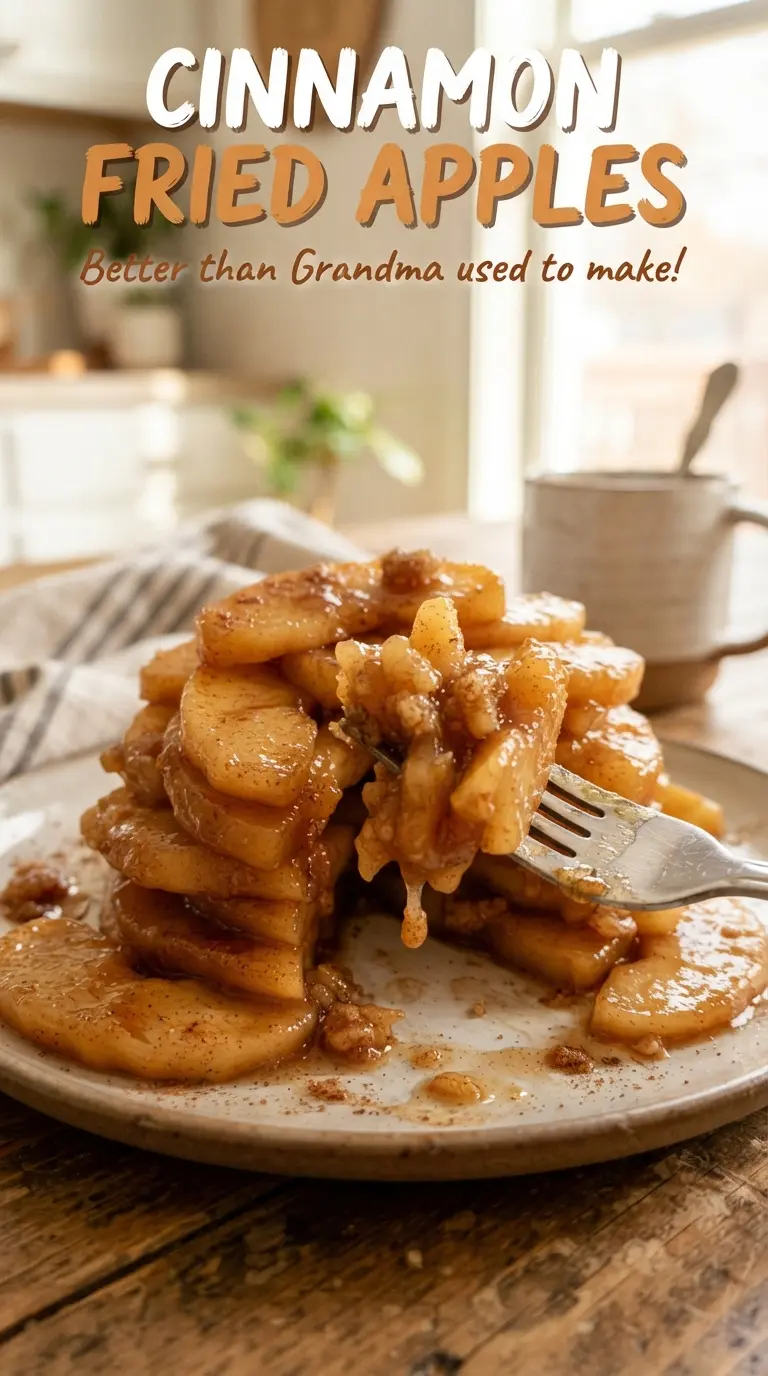
- Honeycrisp or Granny Smith apples — Honeycrisp gives a sweeter, juicier result, while Granny Smith keeps the dish brighter and more tart. Either one works; just avoid apples that go soft quickly, because they’ll lose their shape before the sauce thickens.
- Brown sugar — This melts into a deeper syrup than white sugar and gives the apples that caramel-like coating. Pack it into the cup so you get the right amount of sweetness and moisture.
- Cinnamon and nutmeg — Cinnamon is the main note, and nutmeg adds warmth underneath it. Don’t overdo the nutmeg or it takes over the whole pan.
- Butter — It carries the spices and helps the sugar dissolve into a smooth sauce instead of a grainy one. Use real butter here if you can.
- Cornstarch — This is what turns the juices into a glossy sauce that clings to the slices. It’s worth keeping in the recipe instead of trying to reduce the sauce forever, which can overcook the apples.
Building the Syrup Without Overcooking the Apples
Melting the Butter and Starting the Base
Set the skillet over medium heat and let the butter melt fully before anything else goes in. You want it foamy, not browned. If the pan runs too hot at the start, the sugar can scorch before the apples have time to release any juice.
Coating the Apples and Steaming Them Soft
Add the apples, brown sugar, cinnamon, nutmeg, and salt, then stir until every slice looks coated. Cover the skillet and cook for 8 to 10 minutes, stirring once or twice so the bottom pieces don’t stick. You’re looking for apples that give slightly when pierced but still hold a clean edge.
Thickening the Sauce the Right Way
Whisk the cornstarch with the water until it looks completely smooth, then pour it into the hot pan. Stir and simmer for 2 to 3 minutes until the liquid turns glossy and lightly thickened. If it looks cloudy or loose, give it another minute; if it turns gluey, the heat was too high or the cornstarch sat too long before going in.
Finishing With Vanilla
Stir in the vanilla at the end and serve the apples warm. That last addition lifts the cinnamon and brown sugar without making the dish taste heavy. If you wait too long to add it or boil it hard after it goes in, you lose that fresh, warm aroma.
How to Adjust Cinnamon Fried Apples for Different Tables
Make It More Tart
Use all Granny Smith apples and keep the brown sugar as written. The sauce will still be sweet, but the sharper apple flavor cuts through the richness and keeps the dish from tasting candy-like.
Dairy-Free Version
Swap the butter for a good plant-based butter stick. You’ll still get a silky sauce, though the flavor will be a little less rich and a little more neutral.
Less Sweet, More Breakfast-Friendly
Cut the brown sugar to 1/4 cup and use Honeycrisp apples. The sauce will still thicken, but it lands lighter and works better over oatmeal, yogurt, or toast.
Storage and Reheating
- Refrigerator: Store in an airtight container for up to 4 days. The sauce will thicken as it chills.
- Freezer: It freezes, but the apples soften more after thawing, so the texture isn’t quite as nice. Freeze only if you don’t mind softer apples later.
- Reheating: Warm gently in a skillet over low heat with a splash of water if needed. Don’t blast it in the microwave for too long or the apples turn mealy and the sauce can separate.
Questions I Get Asked About This Recipe
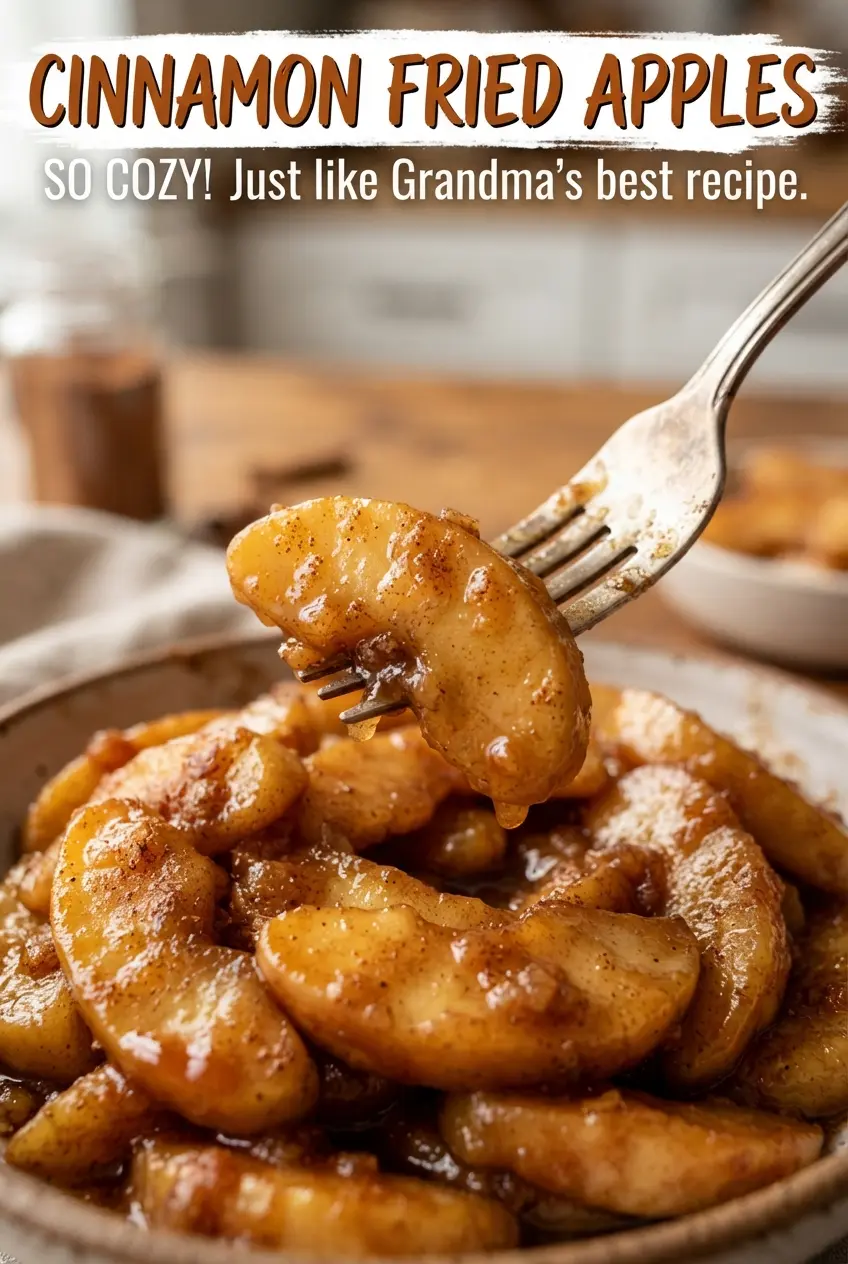
Cinnamon Fried Apples
Ingredients
Equipment
Method
- Melt the butter in a large skillet over medium heat until it foams lightly and smells nutty. Visual cue: a thin, glossy layer coats the pan.
- Add the apples, brown sugar, ground cinnamon, nutmeg, and salt, then stir to coat every slice. Visual cue: the apples look evenly dusted and glossy from the sugar.
- Cover and cook over medium heat for 8-10 minutes, stirring occasionally, until the apples are just tender. Visual cue: apple edges soften but slices still hold their shape.
- Whisk the cornstarch with the water until smooth, then pour the slurry into the skillet while stirring. Visual cue: the liquid briefly turns cloudy.
- Simmer for 2-3 minutes until the sauce thickens and turns glossy, stirring to coat the apples. Visual cue: the syrup clings to the spoon.
- Stir in the vanilla extract and immediately serve warm. Visual cue: the sauce looks shiny and the apples smell fragrant.