Glossy chicken stir fry with crisp-tender vegetables is one of those dinners that disappears fast once it hits the table. The chicken stays juicy because it gets a light cornstarch coating before it ever touches the wok, and the sauce clings to every strip instead of pooling at the bottom. You end up with that takeout-style sheen, but with brighter vegetables and a cleaner, more balanced sauce.
The trick is high heat and timing. The chicken sears first, then comes out so the vegetables can stay colorful and just tender-crisp while the garlic and ginger bloom for only a few seconds. The sauce goes in last and thickens quickly because the cornstarch is already in the mix, which keeps everything moving instead of turning soft and soggy.
Below, I’m walking through the parts that matter most: how to keep the chicken tender, how to get the sauce glossy instead of gluey, and the few swaps that still keep this tasting like a proper Chinese-American stir fry.
The chicken stayed tender and the sauce thickened fast without getting sticky. I loved that the broccoli still had a little crunch, and the whole thing tasted better than the takeout place down the street.
Love this glossy soy-ginger Chinese chicken stir fry? Save it to Pinterest for a fast weeknight dinner with tender chicken and crisp vegetables.
The Trick to Stir Fry That Stays Glossy Instead of Watery
Most stir fries go wrong in the same place: too much moisture, too little heat, and vegetables that sit in the pan long enough to steam. This version avoids that by cooking the chicken first, removing it, then giving the vegetables just enough time to pick up color before the sauce goes in. The wok or skillet needs to be hot enough that you hear a sharp sizzle the second the food hits the pan.
The cornstarch on the chicken does two jobs here. It protects the meat from drying out and helps the sauce cling later, which is why the finished dish looks lacquered instead of thin and soupy. If your pan isn’t hot enough, the chicken will gray before it browns and the vegetables will soften before they ever get any edge. Keep everything moving, but don’t crowd the pan.
What Each Ingredient Is Actually Doing in This Stir Fry
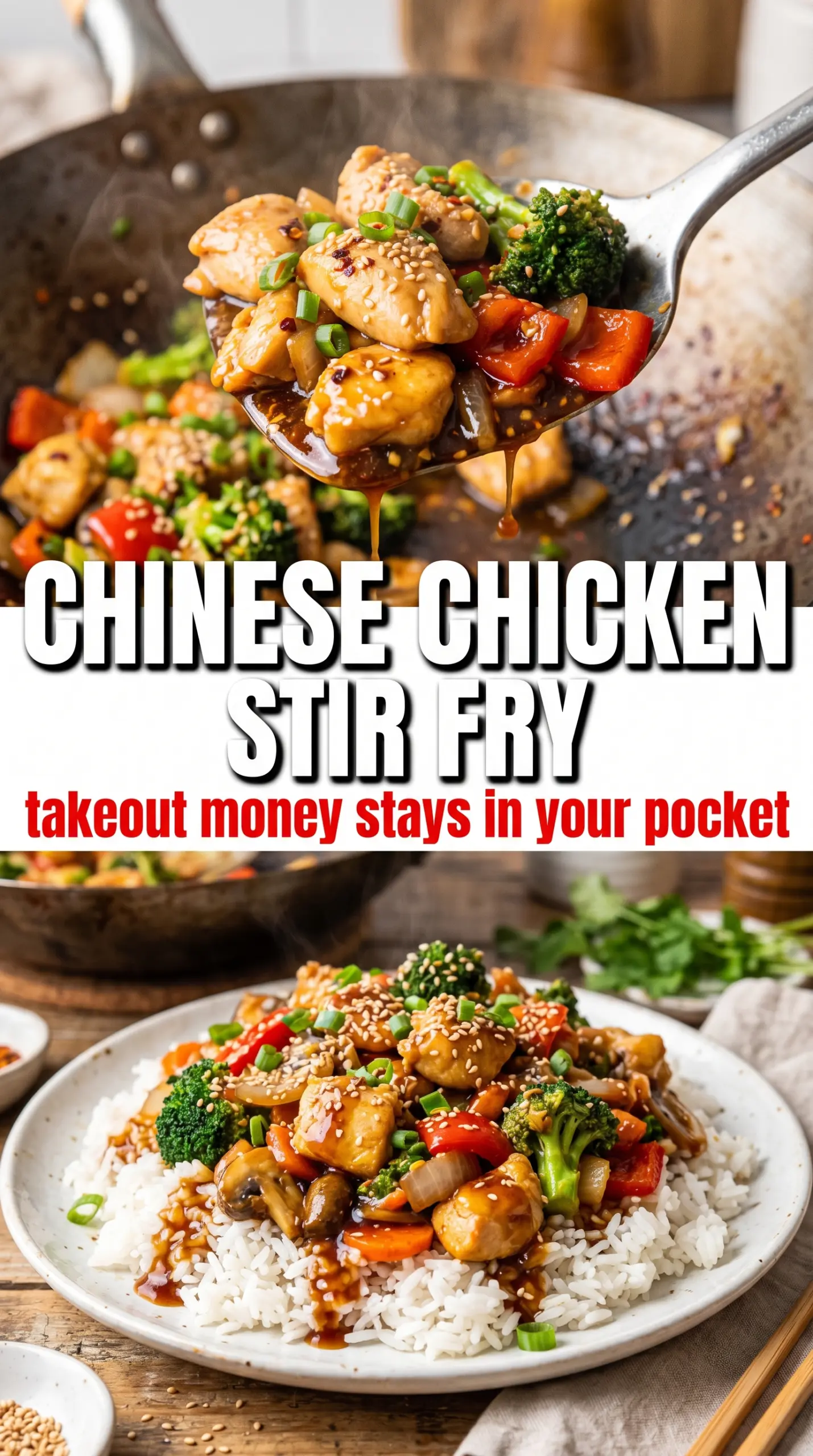
- Chicken breasts — Thin slicing matters more than the cut itself. When the pieces are even and narrow, they cook quickly and stay tender instead of tightening up while the vegetables finish.
- Cornstarch — This is what gives the chicken that light velvety coating and helps the sauce cling. If you skip it, the sauce will taste thinner and slide off the meat instead of coating it.
- Oyster sauce and hoisin sauce — These two bring the deep savory-sweet backbone that makes the dish taste like takeout. Soy sauce alone won’t give you the same body or rounded finish.
- Chicken broth — A little liquid keeps the sauce from turning pasty when the cornstarch hits heat. Water works in a pinch, but the broth adds more depth without extra effort.
- Broccoli, peppers, and carrot — Use fresh vegetables here. Frozen vegetables release too much water and make it harder to get that crisp-tender texture before the sauce goes in.
Getting the Chicken, Vegetables, and Sauce to Finish at the Same Time
Coating the Chicken First
Toss the sliced chicken with cornstarch, salt, and white pepper until every piece looks lightly dusted. It should look almost dry, not pasty. That thin coating is enough to help the meat brown and to thicken the sauce later without turning the skillet into a glue pot. Slice against the grain if you can; it gives the chicken a softer bite.
Searing the Chicken in a Hot Wok
Heat the oil until it shimmers and just begins to smoke, then spread the chicken in a single layer. If the pan isn’t hot enough, the chicken will release liquid and stew instead of sear. Cook it until the edges are golden and the centers are just cooked through, then take it out right away so it doesn’t overcook while the vegetables go in.
Stir-Frying the Vegetables Fast
Add the peppers, broccoli, and carrot to the same pan and keep them moving over high heat. You want bright color, charred edges in spots, and a tender-crisp bite, not softness. Garlic and ginger only need about 30 seconds at the end; any longer and they burn fast in a pan this hot.
Thickening the Sauce and Bringing It Together
Give the sauce a quick whisk before it goes in because the cornstarch settles at the bottom fast. Once it hits the pan, it should bubble and turn glossy within a minute or two. Add the chicken back only after the sauce has started to thicken, then toss until every piece is coated and the pan looks glossy instead of wet.
How to Adapt This Chinese Chicken Stir Fry Without Losing the Takeout Feel
Swap in Chicken Thighs for a Richer Bite
Boneless, skinless thighs work well and stay a little juicier than breasts. Cut them thin and keep the cooking time about the same, but watch the pan closely since thighs can brown faster at high heat.
Make It Gluten-Free
Use gluten-free soy sauce or tamari, and check that your oyster sauce and hoisin are labeled gluten-free as well. The texture stays the same, but the sauce may taste a touch less salty depending on the brand, so taste before serving.
Add More Vegetables Without Watering It Down
Snap peas, mushrooms, or baby corn fit in well, but add them with an eye on moisture. Mushrooms need enough heat to drive off their liquid first, and anything cut too thick will throw off the timing of the sauce.
Storage and Reheating
- Refrigerator: Store leftovers in an airtight container for up to 4 days. The vegetables will soften a little, but the sauce stays flavorful.
- Freezer: It freezes, but the vegetables lose their crisp bite. Freeze only if you don’t mind a softer texture later, and cool it completely before packing it away.
- Reheating: Reheat in a skillet over medium heat with a splash of broth or water. The biggest mistake is microwaving it too long, which dries out the chicken and makes the sauce separate.
Questions I Get Asked About This Recipe
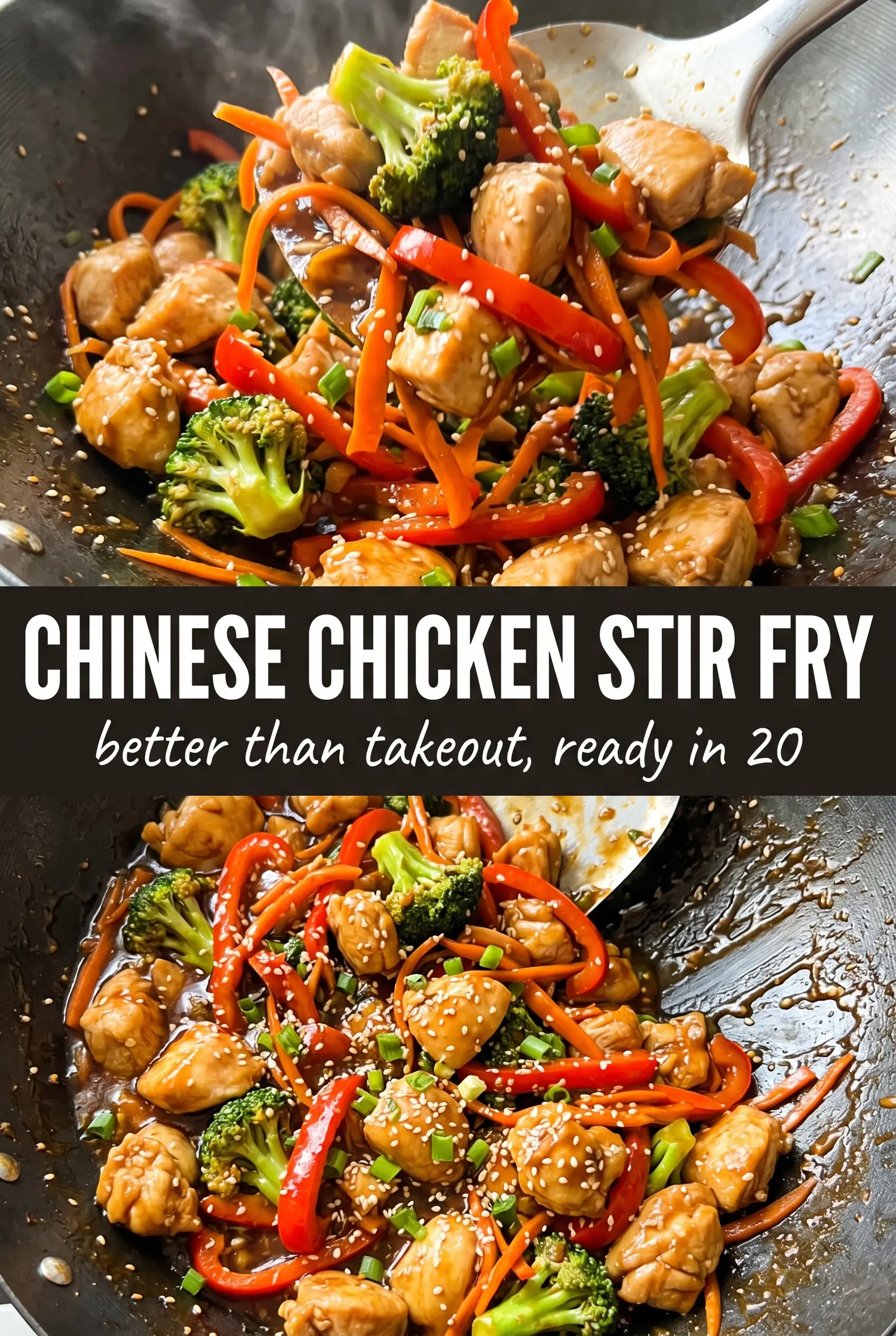
Chinese Chicken Stir Fry
Ingredients
Equipment
Method
- Toss the chicken breasts with cornstarch, salt, and white pepper until evenly coated. The pieces should look lightly dusted and ready for searing.
- Whisk together soy sauce, oyster sauce, hoisin sauce, brown sugar, sesame oil, cornstarch, and chicken broth until smooth. It should look dark and glossy with no cornstarch lumps.
- Heat vegetable oil in a wok or large skillet over high heat until smoking. The oil should shimmer sharply and release a faint haze.
- Add the coated chicken in a single layer and cook for 4-5 minutes until golden and cooked through; remove to a plate. The edges should brown while the center is no longer pink.
- Stir-fry the bell peppers, broccoli, and carrot for 3-4 minutes until bright and just tender-crisp. You should still see vivid color and slight crunch.
- Add the garlic and ginger and stir-fry for 30 seconds until fragrant. The aroma should bloom quickly without burning or turning dark.
- Pour in the sauce and stir for 1-2 minutes until thickened and glossy. The sauce should cling to the vegetables and look slightly lacquered.
- Return the chicken and toss to coat, cooking just until reheated. Everything should glisten with the dark soy-ginger sauce.
- Serve the stir fry over fluffy white rice and top with sesame seeds and green onions. Finish with a fresh scatter so the onions stay bright.