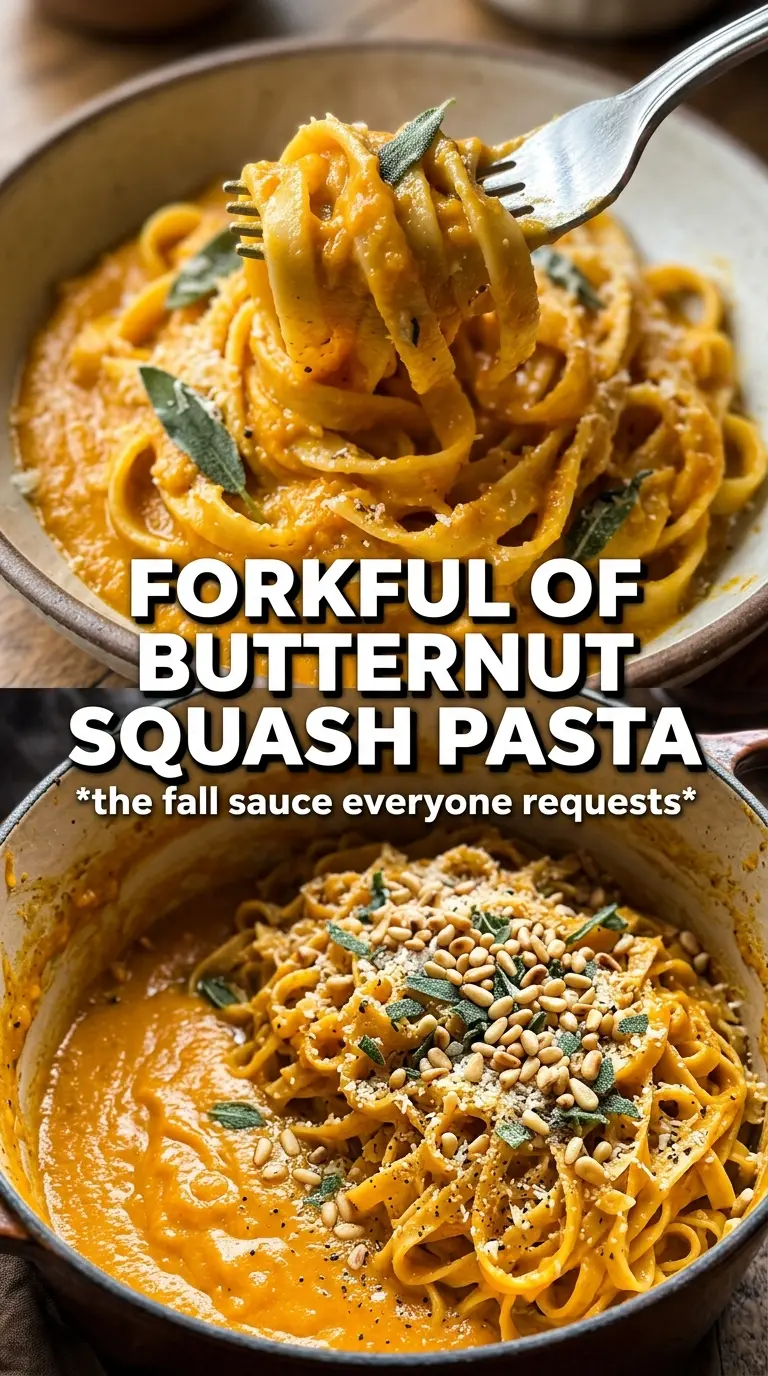
Silky butternut squash pasta sauce clings to rigatoni in a way that feels a little luxurious without asking for much from you. The squash turns mellow and naturally sweet, the Parmesan sharpens everything up, and the finished sauce coats every ridge of pasta instead of sliding off the bowl. It’s the kind of dinner that tastes like it took more effort than it did.
The trick is cooking the squash until it’s fully tender before blending. If there’s any bite left in the cubes, the sauce ends up grainy instead of glossy. A good immersion blend, a splash of pasta water, and just enough cream give it that smooth, spoon-coating texture that makes this dish work so well with sturdy pasta shapes like rigatoni or penne.
Below, I’m walking through the part that matters most: how to get the sauce velvety instead of watery, plus the small ingredient choices that make the flavor taste balanced instead of flat.
The sauce came out silky and thick enough to cling to the rigatoni, and the little bit of sage made it taste like something from a restaurant. My husband went back for seconds before I even sat down.
Save this butternut squash pasta sauce for a creamy rigatoni dinner with silky squash puree, Parmesan, and sage.
The Part That Keeps This Sauce Silky Instead of Grainy
The biggest mistake with squash sauces is rushing the puree. If the squash isn’t cooked until it breaks apart under a spoon, the blender can’t make it smooth enough, no matter how long you run it. The other place people lose the texture is by cranking the heat after the cream and Parmesan go in. Cheese thickens best on gentle heat. High heat turns it stringy or greasy.
This sauce stays balanced because it starts with onion, garlic, and sage cooked in olive oil, then gets enough broth to soften the squash completely before blending. The final simmer is short on purpose. You’re finishing the sauce, not reducing it into a paste. If it looks a little loose before the pasta goes in, that’s fine; the starch from the pasta water finishes the job.
What Each Ingredient Is Actually Doing in the Pan
- Butternut squash — This is the body of the sauce. Once it’s fully tender, it blends into a naturally creamy base with a subtle sweetness that balances the Parmesan and sage. If you use pre-cut squash, choose pieces that look fresh and firm, not dry at the edges.
- Onion and garlic — They build the savory backbone. The onion needs a few minutes to soften before the squash goes in, or the sauce tastes flat and sharp instead of rounded out.
- Fresh sage — Fresh sage matters here. Dried sage can work in a pinch, but it tastes dustier and less fragrant. Add it with the garlic so it has a chance to bloom in the oil.
- Vegetable or chicken broth — Use a broth you’d actually drink. This is what helps the squash cook down without adding waterlogged flavor. If your broth is salty, hold back on seasoning until the very end.
- Heavy cream and Parmesan — These give the sauce its velvety finish and savory depth. Half-and-half will work, but the sauce won’t have the same plush texture. Parmesan should be finely grated so it melts smoothly instead of turning the sauce gritty.
- Rigatoni or penne — Use a pasta shape that can hold onto the sauce. Thin noodles don’t give you the same payoff because this sauce is meant to cling.
Building the Sauce in the Right Order
Softening the Onion First
Start with the onion in the olive oil and give it the full five minutes. You want it translucent and sweet, not browned. If the pan is too hot, the onion edges will take on color before the middle softens, and that flavor will carry through the whole sauce. Once the garlic and sage go in, keep them moving so they smell fragrant, not toasted.
Cooking the Squash Until It Breaks Down
Add the squash and broth, bring everything to a boil, then settle into a simmer. You’re waiting for the squash to become the kind of tender that a spoon can crush against the side of the pot. If the liquid reduces too fast before the squash is soft, add a splash more broth. Don’t move to blending early; that’s when you end up with tiny cooked bits hiding in the sauce.
Blending for a Glossy Finish
Blend the sauce until it looks completely smooth and satiny. An immersion blender works best because you can see the texture change right in the pot, but a countertop blender will work if you blend carefully and vent the lid. If the sauce seems thick before the cream goes in, that’s a good sign. It should look like a puree at this stage, not a finished pasta sauce.
Finishing With Cream, Cheese, and Pasta Water
Lower the heat before you stir in the cream and Parmesan. That’s the point where the sauce turns from good to glossy. Add the pasta water a little at a time once the pasta goes in, just until the sauce loosens enough to coat every piece. Too much water makes it soupy, and not enough makes it cling in a heavy, almost sticky way.
Three Ways to Adjust This Sauce Without Losing What Makes It Work
Make it dairy-free
Swap the cream for unsweetened oat cream or full-fat coconut milk, and use a dairy-free Parmesan alternative or skip the cheese and add a little extra salt at the end. The sauce stays creamy, but it loses some of the sharp savory finish that Parmesan gives. Coconut milk will add a faint sweetness, so oat-based cream is the cleaner-tasting choice.
Make it vegetarian
Use vegetable broth instead of chicken broth and nothing else has to change. Since the squash and Parmesan already carry a lot of the flavor, this swap keeps the sauce full-bodied without changing the texture. Just taste before salting, because some vegetable broths are much saltier than others.
Make it lighter
Replace half the cream with more pasta water and use a little extra broth if needed while blending. The sauce won’t taste as rich, but it will still coat the pasta nicely if you finish it with enough starchy water. Don’t cut the Parmesan too much, or the sauce starts tasting thin instead of balanced.
Change the pasta shape
Rigatoni and penne catch the sauce best, but shells or cavatappi also work well. Long pasta can be used, but it doesn’t hold the sauce in the same way, so the dish feels less substantial. If you switch shapes, cook it just to al dente so it can finish in the sauce without going soft.
Storage and Reheating
- Refrigerator: Store for up to 4 days. The sauce thickens as it chills, so expect it to look tighter the next day.
- Freezer: The sauce freezes well on its own for up to 2 months, but cream sauces can separate slightly after thawing. Freeze the sauce without pasta for the best texture.
- Reheating: Warm it slowly over low heat with a splash of broth or water, then stir until smooth again. High heat is what usually makes the cream look broken or oily.
Questions I Get Asked About This Recipe
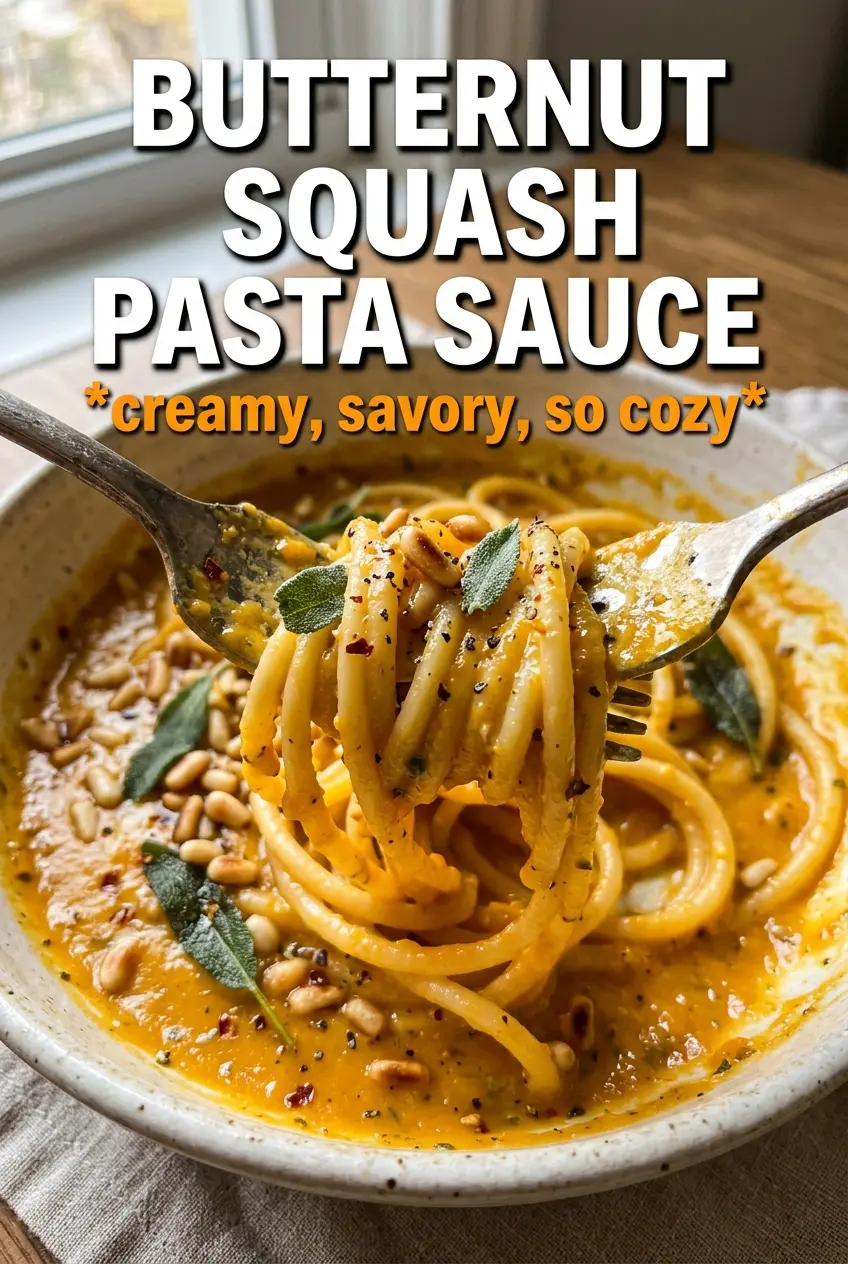
Butternut Squash Pasta Sauce
Ingredients
Equipment
Method
- Heat 2 tablespoons olive oil in a large pot over medium heat and sauté the diced onion for 5 minutes, stirring until softened and lightly translucent.
- Add the minced garlic and chopped sage, and cook for 2 minutes, stirring until fragrant and glossy.
- Add the cubed butternut squash and 3 cups broth, bring to a boil, then simmer for 20 minutes until the squash is very tender.
- Blend the sauce completely smooth with an immersion blender until no lumps remain and the texture looks silky.
- Stir in the heavy cream, grated parmesan, nutmeg, and red pepper flakes, then simmer for 5 minutes until the sauce thickens slightly.
- Cook the rigatoni or penne separately (per package directions), then transfer it to the sauce and toss to coat.
- Add pasta water as needed while tossing until the sauce turns glossy and clings to the pasta.
- Season with salt and pepper to taste, then serve hot.