Roasted Brussels sprouts and butternut squash make this pasta feel hearty without turning heavy. The vegetables caramelize at the edges, the brown butter wraps around every ridge of rigatoni, and the parmesan pulls everything into one glossy, savory bowl. It’s the kind of dinner that tastes like you spent longer on it than you did.
The key is giving the vegetables enough room on the pan to actually roast instead of steam. Brussels sprouts need that direct heat to crisp at the cut sides, and butternut squash needs time to soften and pick up color. Brown butter does the rest, bringing a nutty depth that plain melted butter just can’t match.
Below, I’ve included the small details that keep the sauce silky, plus a few smart swaps if you want to change the nuts, the pasta shape, or make it vegetarian-friendly in a different way.
The squash stayed tender without falling apart, and the brown butter with sage made the whole pan smell amazing. I used rigatoni and the sauce clung to every piece.
Save this Brussels sprouts and butternut squash pasta for the night you want a caramelized vegetable dinner with a nutty brown butter sauce.
The Trick Is Roasting the Vegetables Separately
Brussels sprouts and butternut squash cook at a similar temperature, but they don’t brown on the same schedule. If you pile them together, the sprouts can scorch before the squash gets soft, or the squash can break down before the sprouts pick up those crisp edges. Roasting them on separate pans gives you control over both textures.
The other mistake is crowding. Once the vegetables release steam, they stop caramelizing and start softening into a mushy layer. Give them space, keep the oil light, and wait for the cut sides to turn deep golden before you pull them from the oven.
- Brussels sprouts — Halving them gives more surface area for browning, which is what keeps them from tasting flat. If you’re using larger sprouts, trim the stem ends and peel away any loose outer leaves before roasting.
- Butternut squash — Fresh squash holds its shape better than frozen here. Frozen cubes usually leak too much water, which works against the caramelized finish this pasta needs.
- Brown butter — This is the backbone of the dish, not just a sauce base. Stop cooking it when the milk solids turn amber and smell nutty; if it goes from nutty to dark, it will taste bitter fast.
What Each Ingredient Is Actually Doing in This Bowl
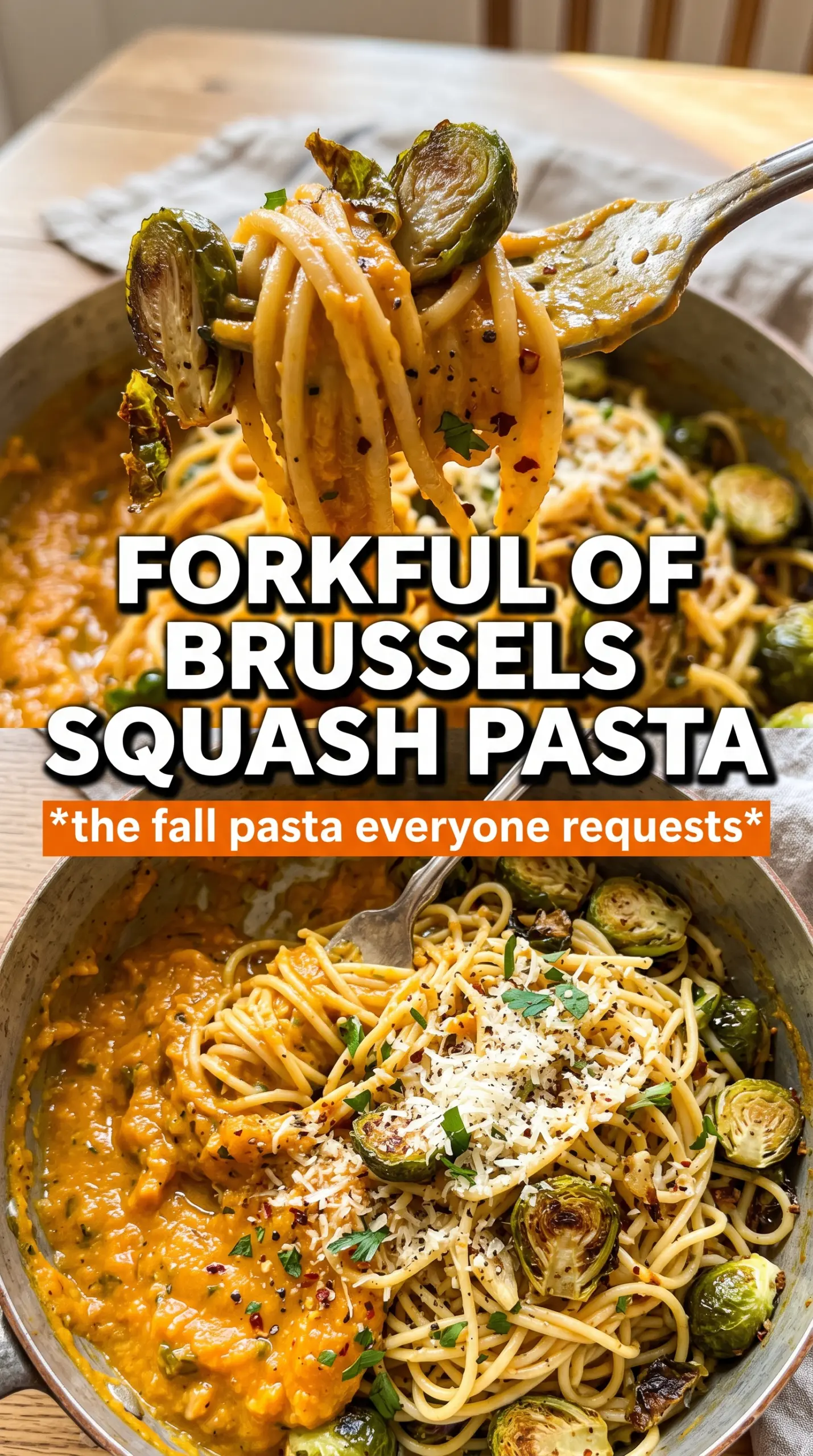
- Rigatoni or penne — A tube shape catches the butter, parmesan, and little bits of sage. Long pasta works, but it won’t hold onto the roasted vegetables as well.
- Parmesan — Use a real wedge if you can. Pre-grated parmesan often melts into a grainier sauce because it’s coated to prevent clumping.
- Hazelnuts or walnuts — Toasted nuts add crunch that keeps the dish from feeling soft all the way through. Hazelnuts taste a little sweeter and nuttier; walnuts are more earthy and a little easier to find.
- Sage — Fresh sage is worth it here. It sizzles in the brown butter and perfumes the whole pan; dried sage tastes dusty in this particular recipe.
- Pasta water — Don’t skip it. The starch helps the butter and parmesan emulsify into a sauce instead of sliding off the pasta.
Building the Sauce So It Stays Glossy
Roasting for Color, Not Just Doneness
Spread the squash and Brussels sprouts in a single layer and roast them until the edges look browned and the cut faces look lacquered. If they come out pale, they’ll taste steamed once they hit the pasta. You want sweetness from caramelization, not just softness from heat.
Cooking the Pasta to Give the Sauce a Chance
Cook the rigatoni until just al dente. It should still have a little bite, because it will finish in the brown butter and absorb some of that sauce. Save more pasta water than you think you’ll need; if the pan tightens up later, that starchy water is what loosens everything without making it greasy.
Brown Butter, Then Stop and Listen
Melt the butter over medium heat, then keep going until it foams, quiets down, and the bottom shows little brown specks. Add the garlic and sage near the end so the garlic doesn’t burn before the butter is ready. If the pan smells sharp or acrid, it’s gone too far and you’ll taste that in the finished dish.
Finishing in the Pan
Toss the pasta with the brown butter first, then add the vegetables and parmesan off the heat. That order matters. If you dump cheese into a pan that’s too hot, it can clump instead of melting into the sauce. A splash of pasta water at the end brings everything together into a silky coating.
Make It Dairy-Free
Swap the butter for a good plant-based butter and use a dairy-free parmesan-style cheese that melts decently. The sauce won’t have quite the same nutty depth, so lean harder on the browned bits from the pan and the toasted hazelnuts for richness.
Use Walnuts for a More Rustic Finish
Walnuts work just as well if that’s what you have, and they bring a slightly more bitter edge that plays nicely with the sweet squash. Chop them a little finer than hazelnuts so they scatter through the pasta instead of sitting in big pieces on top.
Make It Gluten-Free
Use a sturdy gluten-free penne or rigatoni and pull it when it still has some bite. Some gluten-free pastas soften quickly after saucing, so keep the pasta water on hand and stop short of overcooking in the pot.
Turn It Into a Heartier Main
Toss in cooked Italian sausage or shredded rotisserie chicken at the end if you want more protein. Add it after the sauce comes together so the meat warms through without drying out or dulling the roasted vegetable flavor.
Storage and Reheating
- Refrigerator: Store leftovers in an airtight container for up to 4 days. The pasta will absorb some of the sauce as it sits, so expect it to tighten up.
- Freezer: This freezes, but the roasted vegetables soften after thawing. Freeze in portions for up to 2 months if you don’t mind a less crisp texture.
- Reheating: Warm it in a skillet over low heat with a splash of water or broth. The biggest mistake is blasting it in the microwave without any liquid, which dries out the pasta and makes the cheese seize.
Questions I Get Asked About This Recipe
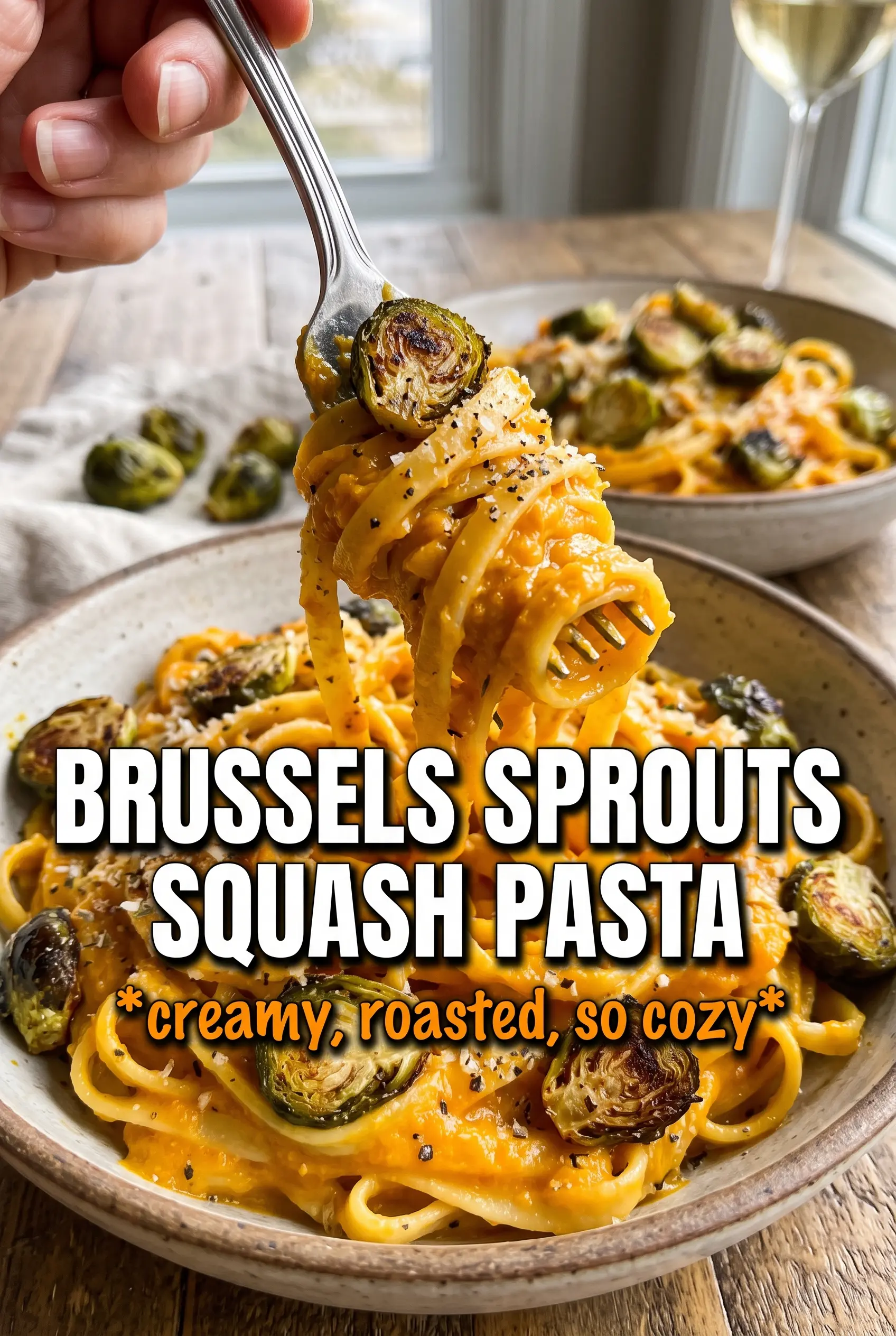
Brussels Sprouts And Butternut Squash Pasta
Ingredients
Equipment
Method
- Heat the oven to 425F and roast the butternut squash with olive oil, salt, and pepper on a sheet pan for 25 minutes, until caramelized at the edges. Spread the cubes in a single layer so they roast rather than steam.
- Roast the halved Brussels sprouts separately with olive oil, salt, and pepper on a sheet pan for 25 minutes, until caramelized and browned in spots. Keep them cut-side down for more browning.
- Cook the rigatoni or penne in salted water until al dente, then reserve 1 cup pasta water. Save the starchy water before draining to help the sauce emulsify.
- Brown the butter in a cast iron skillet, then stir in the minced garlic and chopped sage and cook until the butter turns golden and nutty. Watch closely as browning happens quickly.
- Add the drained pasta to the skillet and toss with pasta water to create a glossy coating. Add a splash at a time so the sauce clings without becoming watery.
- Fold in the roasted butternut squash and Brussels sprouts, then toss until warmed through and evenly distributed. Stir gently so the squash stays intact.
- Add the grated parmesan and season with salt and pepper to taste, stirring until the sauce looks thick and cohesive. Taste and adjust right before serving.
- Top with toasted hazelnuts or walnuts and serve immediately with extra parmesan if desired. The nuts should stay crunchy rather than steam.