Autumn pearl couscous salad lands in that sweet spot between hearty and fresh, with tender couscous pearls, caramelized squash, tart cranberries, and crunchy nuts in every forkful. The goat cheese softens the edges just enough, and the maple balsamic dressing pulls the whole bowl into one balanced bite. It eats like a side dish, but it’s substantial enough to carry lunch on its own.
What makes this version work is the contrast in both texture and temperature. The couscous needs to cool before it hits the greens, or it wilts the arugula and muddies the dressing. Roasting the squash until the edges take on a little color matters more than just cooking it through, because that browned surface gives the salad depth that plain steamed squash never will.
Below, I’m walking through the small details that keep the salad from turning soggy, plus the swaps I use when I’m working with what’s already in the kitchen. There’s also a note on how to hold it ahead so it still tastes bright when you’re ready to serve.
The couscous stayed fluffy, the squash browned up instead of steaming, and the maple balsamic tied everything together without making the greens soggy. I packed leftovers for lunch and it still tasted great the next day.
Save this autumn pearl couscous salad for the nights when you want a bright, make-ahead side with roasted squash, cranberries, and goat cheese.
The Trick That Keeps Pearl Couscous Fluffy Instead of Clumpy
Pearl couscous has enough surface starch to bind, which is helpful in a warm bowl but annoying in a salad if you skip the cooling step. If it goes into the bowl warm, it softens the greens and makes the dressing cling unevenly. Let it cool to room temperature first, then fluff it with a fork so the grains separate before you mix in anything fragile.
The other trap is over-dressing. This salad should taste coated, not soaked. You want the maple balsamic to glaze the couscous and lightly touch the squash and greens, while the goat cheese and nuts stay distinct.
What Each Ingredient Is Actually Doing In This Bowl
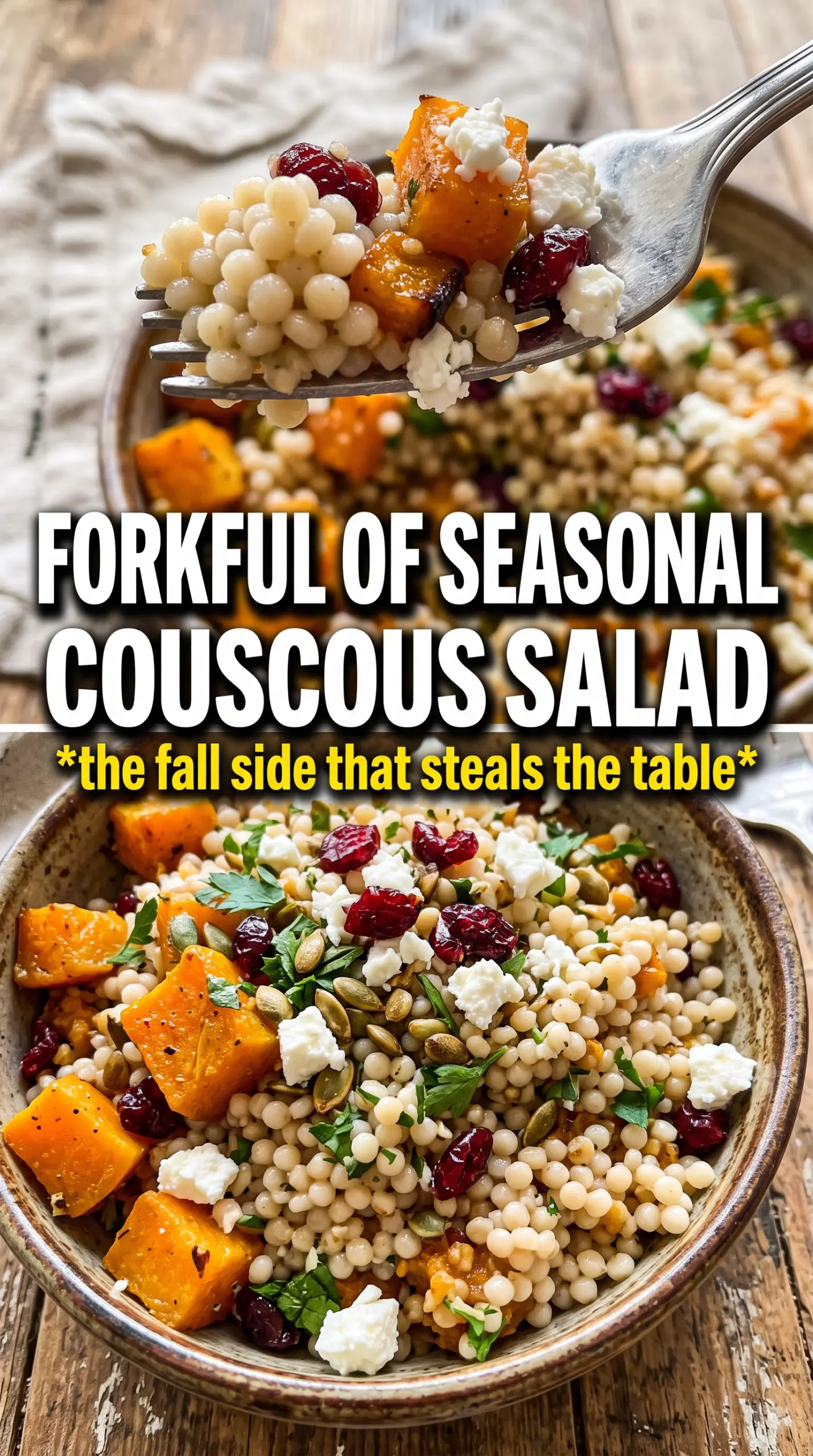
- Pearl couscous — This gives the salad its chew and makes it feel substantial. Cook it just until tender, then drain well and cool it off so it doesn’t act like a sponge for the dressing.
- Butternut squash — Roasted squash brings sweetness and the browned edges that make the salad taste finished. If you under-roast it, the salad reads flat; if you roast it properly, it gives you little pockets of caramelized flavor.
- Arugula or mixed greens — Arugula adds a peppery bite that keeps the bowl from leaning too sweet. Mixed greens work too, but choose something sturdy enough to hold up once the dressing hits.
- Dried cranberries — These add sharp sweetness and keep each bite lively. If yours are very dry, let them sit in the dressing for a few minutes while you prep the rest; they’ll plump slightly and taste less chewy.
- Pecans and pumpkin seeds — Toasting matters here. Raw nuts and seeds taste dusty in a salad like this, while toasted ones bring crunch and a deeper, almost buttery note.
- Goat cheese — The tang is what keeps the salad from tasting like sweet grains and squash on repeat. Add it at the end so it stays in soft crumbles instead of disappearing into the bowl.
- Maple balsamic dressing — Dijon helps the dressing stay emulsified, so it coats instead of separating into oil and vinegar. If you skip the mustard, you’ll get a slick dressing that won’t cling to the couscous as well.
Building the Bowl Without Crushing the Texture
Roast the Squash Until It Browns
Cut the butternut squash into even cubes so it cooks at the same pace. Roast it at 425°F until the edges turn golden and the centers are tender when pierced, because pale squash tastes watery in a salad like this. If the pan looks crowded, spread it out onto two sheets; steam is the enemy of browning.
Cool the Couscous Before You Mix
Cook the couscous according to the package, then drain it well and spread it out for a few minutes if needed. You want it cool enough that it won’t wilt the greens or make the goat cheese melt on contact. If it clumps as it sits, fluff it with a fork and break it up before combining anything else.
Dress Gently, Then Finish Cold
Whisk the dressing until it looks slightly thickened and glossy, then toss it with the couscous, squash, greens, cranberries, and pecans. Use a light hand so the greens stay intact and the squash doesn’t mash into the bowl. Save the goat cheese and pumpkin seeds for the top so they stay visible and give the salad its final contrast.
Three Practical Ways to Adapt This Salad
Make It Dairy-Free
Skip the goat cheese and add extra toasted pumpkin seeds or chopped pecans for richness and crunch. The salad will taste a little cleaner and less creamy, but the maple balsamic and roasted squash still give it plenty of depth.
Make It Gluten-Free
Swap the pearl couscous for cooked quinoa or a certified gluten-free grain blend. You’ll lose the chewy pasta texture, but you’ll keep the same sweet-savory balance and a salad that still holds up well for lunch.
Turn It Into a Main Dish
Add shredded rotisserie chicken or white beans for more protein. Chicken makes it feel more like a composed lunch, while beans keep it vegetarian and soak up the dressing nicely without changing the flavor balance.
Swap the Greens Based on What You Have
Arugula brings pepper, but baby spinach, tender kale, or a spring mix all work. Use kale only if you massage it with a little dressing first; otherwise it stays too firm and fights the rest of the bowl.
Storage and Reheating
- Refrigerator: Store leftovers for up to 3 days. The greens soften a bit, but the salad still holds up well if it’s not overdressed.
- Freezer: Don’t freeze this salad. The greens and goat cheese won’t recover well, and the couscous texture turns unpleasant after thawing.
- Reheating: This salad is best served cold or at room temperature. If you want it slightly warmer, let only the couscous and squash come to room temperature first, then add the greens, cheese, and dressing right before serving.
Answers to the Questions Worth Asking
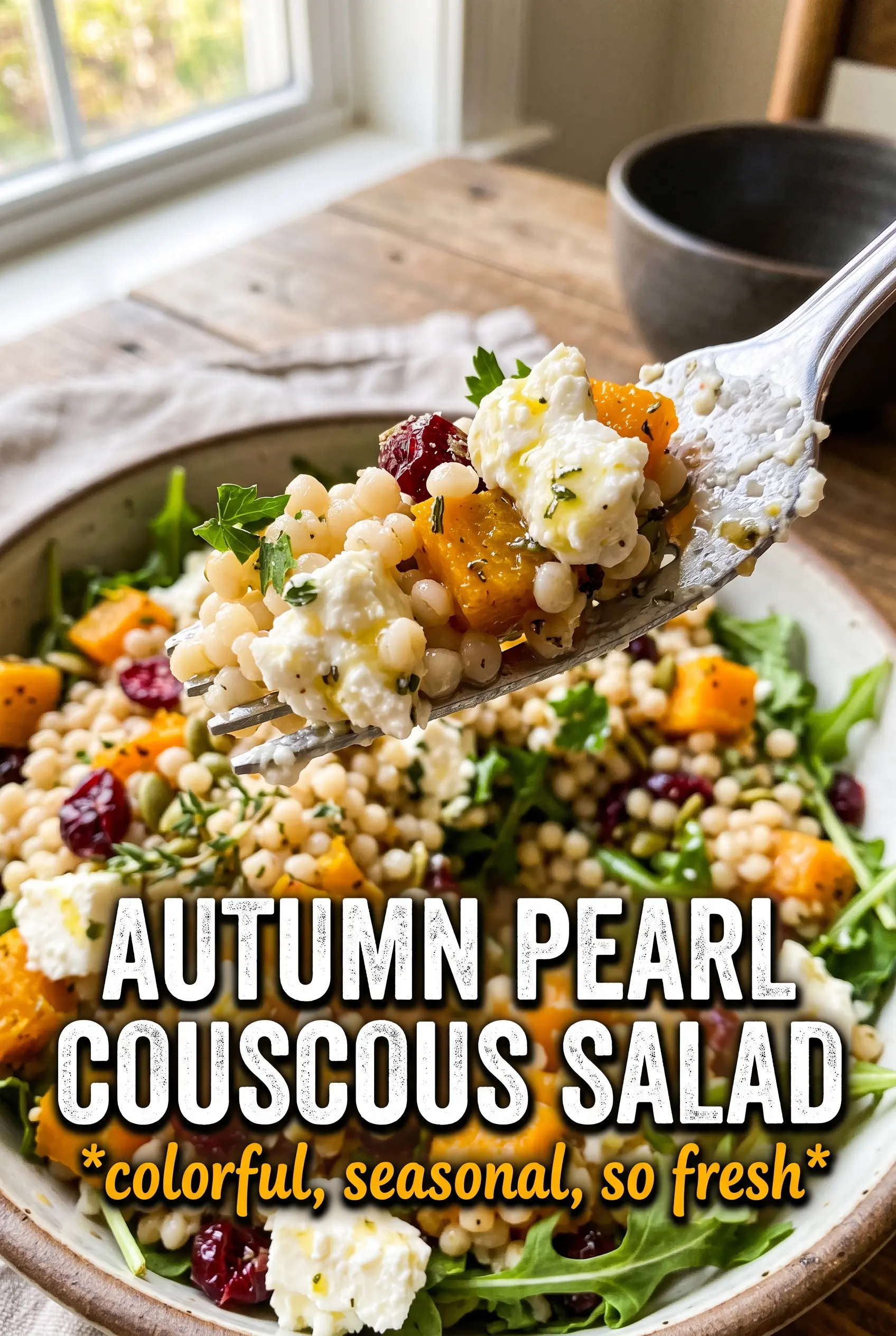
Autumn Pearl Couscous Salad
Ingredients
Equipment
Method
- Cook the pearl (Israeli) couscous per package directions, then cool to room temperature for a fluffy texture that won’t wilt the greens.
- Roast the butternut squash on a sheet pan at 425F with olive oil, salt, and pepper for 25 minutes, until golden and tender.
- Whisk the dressing ingredients (olive oil, balsamic vinegar, maple syrup, Dijon, and salt and pepper) until emulsified for a smooth, pourable sauce.
- Combine the cooled couscous, roasted butternut squash, arugula (or mixed greens), dried cranberries, and pecans in a large bowl.
- Drizzle the maple balsamic dressing over the mixture and toss gently to coat without breaking up the couscous.
- Top with goat cheese and pumpkin seeds right before serving for best crunch and a creamy finish.