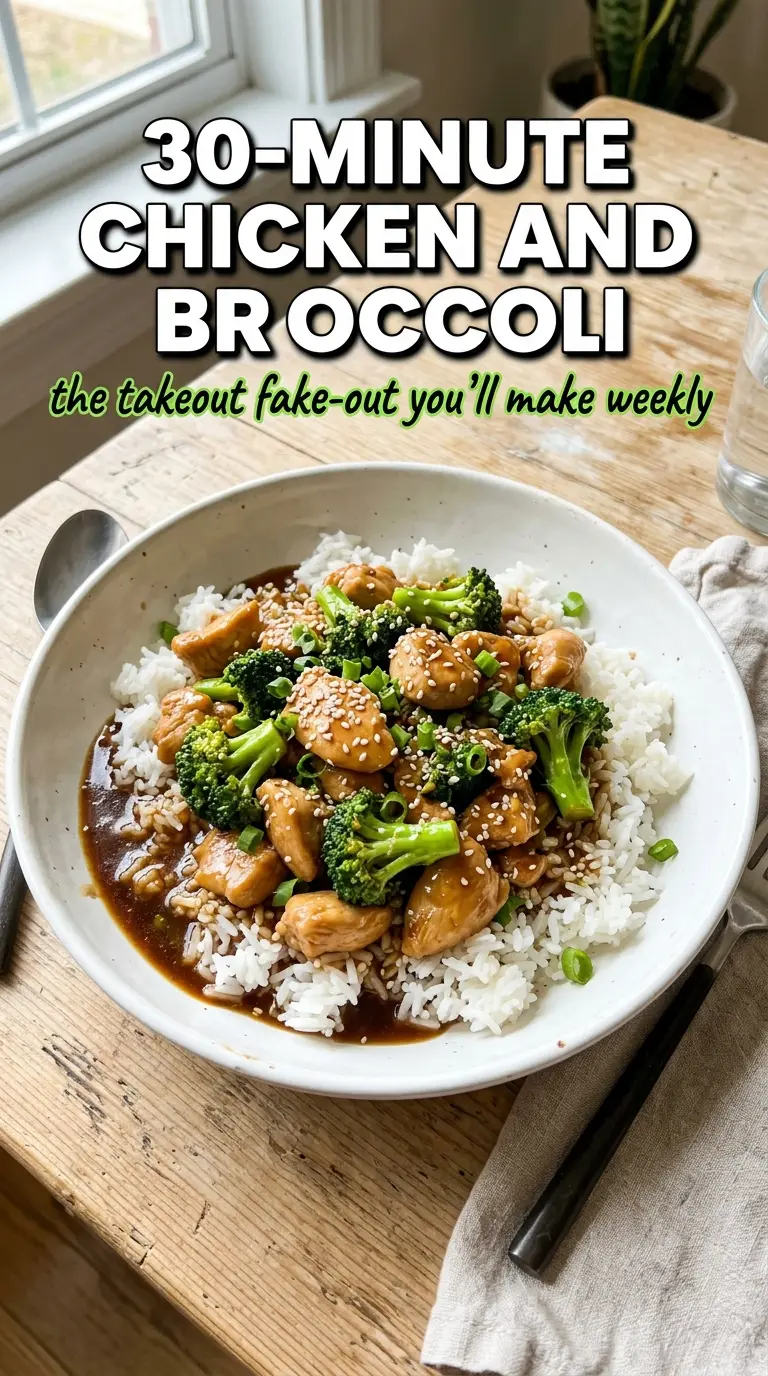
Glossy chicken and broccoli is one of those dinners that disappears fast when the sauce is balanced and the broccoli stays crisp-tender. The chicken gets a light cornstarch coating before it hits the pan, which gives you better browning and helps the sauce cling instead of sliding off. Then the garlic, ginger, soy, and hoisin build a deep, savory-sweet finish that tastes like takeout, only fresher and less greasy.
The key is cooking in stages. Chicken first, then broccoli, then the aromatics, and only after that the sauce. That order keeps the broccoli bright green and the garlic from burning, while the cornstarch in the sauce gives you that shiny glaze in just a minute or two. The sauce doesn’t need a long simmer; it just needs enough heat to thicken and coat the pan.
Below, I’ve included the little details that matter most, from the best way to avoid a watery stir-fry to the swaps that still keep this dish weeknight-friendly.
The sauce thickened fast and coated everything instead of pooling at the bottom. I used rice on the side and my husband asked if I could put this on the regular rotation.
Like this chicken and broccoli stir fry? Save it for the nights when you want a glossy soy-garlic sauce and dinner on the table in 30 minutes.
The Trick to Keeping the Sauce Glossy, Not Gummy
Stir-fry sauces go wrong when the pan is crowded or the cornstarch never gets a clean chance to activate. If the skillet is too full, the chicken and broccoli steam before they sear, and the sauce turns thin and slippery instead of clinging in a shiny coat. High heat matters here, but only if you keep the ingredients moving and give each stage a little space.
The cornstarch serves two jobs. It helps the chicken brown, and it gives the sauce body without needing a long simmer. That means the sauce can go from cloudy to glossy in a minute or two, which is exactly what you want in a quick stir-fry.
- Chicken breasts — Bite-sized pieces cook fast and stay tender if you pull them as soon as they’re just done. Cut them evenly so they finish at the same time.
- Cornstarch — This is what gives the chicken its light crust and thickens the sauce. Don’t skip it unless you want a thinner, more slippery finish.
- Broccoli florets — Fresh florets hold their shape and stay bright green. Frozen broccoli works in a pinch, but it releases more water, so the pan needs extra heat and a little patience.
- Oyster sauce and hoisin — These are the backbone of the sauce’s depth. Oyster sauce brings savoriness, while hoisin adds sweetness and body; together they make the dish taste complete instead of just salty.
What Each Part Is Doing in the Pan
- Soy sauce — This gives the dish its salty backbone and helps the sauce glaze the chicken. Use a regular soy sauce, not low-sodium only if you know you like a saltier finish.
- Chicken broth — A little broth loosens the sauce so it can coat everything evenly before it thickens. Water works in an emergency, but the broth makes the sauce taste rounded instead of flat.
- Garlic and ginger — These only need a short hit of heat. If they stay in the pan too long before the sauce goes in, they can turn bitter.
- Sesame oil — Add it at the end because its flavor is delicate and can disappear with long cooking. It gives the finished dish that unmistakable stir-fry aroma.
How to Build the Stir-Fry So It Stays Crisp and Saucy
Coating the Chicken First
Toss the chicken with salt, pepper, and cornstarch until every piece looks lightly dusted. That coating helps the chicken sear instead of turning pale and wet in the pan. If you see clumps of cornstarch, break them up before cooking so the finish stays even.
Cooking the Chicken in a Hot Pan
Heat the oil until it shimmers, then add the chicken in a single layer. Let it sit long enough to pick up color before stirring; constant movement keeps it from browning. If the pan starts to crowd, cook the chicken in two batches so you don’t lose the sear.
Keeping the Broccoli Tender-Crisp
Add the broccoli after the chicken comes out and stir-fry it until the edges turn brighter green and the stems are just starting to soften. You want some bite left because it will finish cooking when the sauce and chicken go back in. If you cook it until it’s fully soft here, it’ll go mushy by the end.
Finishing with the Sauce
Stir the garlic and ginger for just 30 seconds, then pour in the whisked sauce and keep it moving. It should thicken enough to lightly coat a spoon and turn glossy, not paste-like. Add the chicken back only after the sauce has thickened, so the pieces get glazed instead of boiled.
How to Adapt This for Different Nights and Different Pan Sizes
Make it gluten-free
Use a gluten-free soy sauce or tamari and check that your oyster sauce and hoisin are labeled gluten-free. The texture stays the same, but the flavor can shift slightly depending on the brand, so taste the sauce before it goes in the pan.
Swap in chicken thighs
Boneless skinless thighs bring a little more richness and stay forgiving if they cook a minute longer than expected. They won’t dry out as quickly as breasts, which makes them a good choice if you’re new to stir-frying.
Add more vegetables without watering it down
Snap peas, bell peppers, or sliced carrots work well here, but add firmer vegetables before the broccoli so they have time to soften. Keep the total volume reasonable or cook in batches, because an overloaded pan is the fastest way to end up with steamed vegetables and thin sauce.
Low-sugar version
Cut the brown sugar to 1 teaspoon or leave it out if your hoisin is already sweet enough. The dish will taste a little sharper and less rounded, so don’t skip the sesame oil at the end because it helps replace some of that missing richness.
Storage and Reheating
- Refrigerator: Store in an airtight container for up to 4 days. The broccoli softens a bit, but the sauce keeps the chicken moist.
- Freezer: It freezes fairly well for up to 2 months, though the broccoli will be softer after thawing. Freeze in portioned containers and thaw overnight in the fridge before reheating.
- Reheating: Warm in a skillet over medium-low heat with a splash of water or broth. The common mistake is blasting it over high heat, which can dry out the chicken and make the sauce tighten up too much.
Answers to the Questions Worth Asking
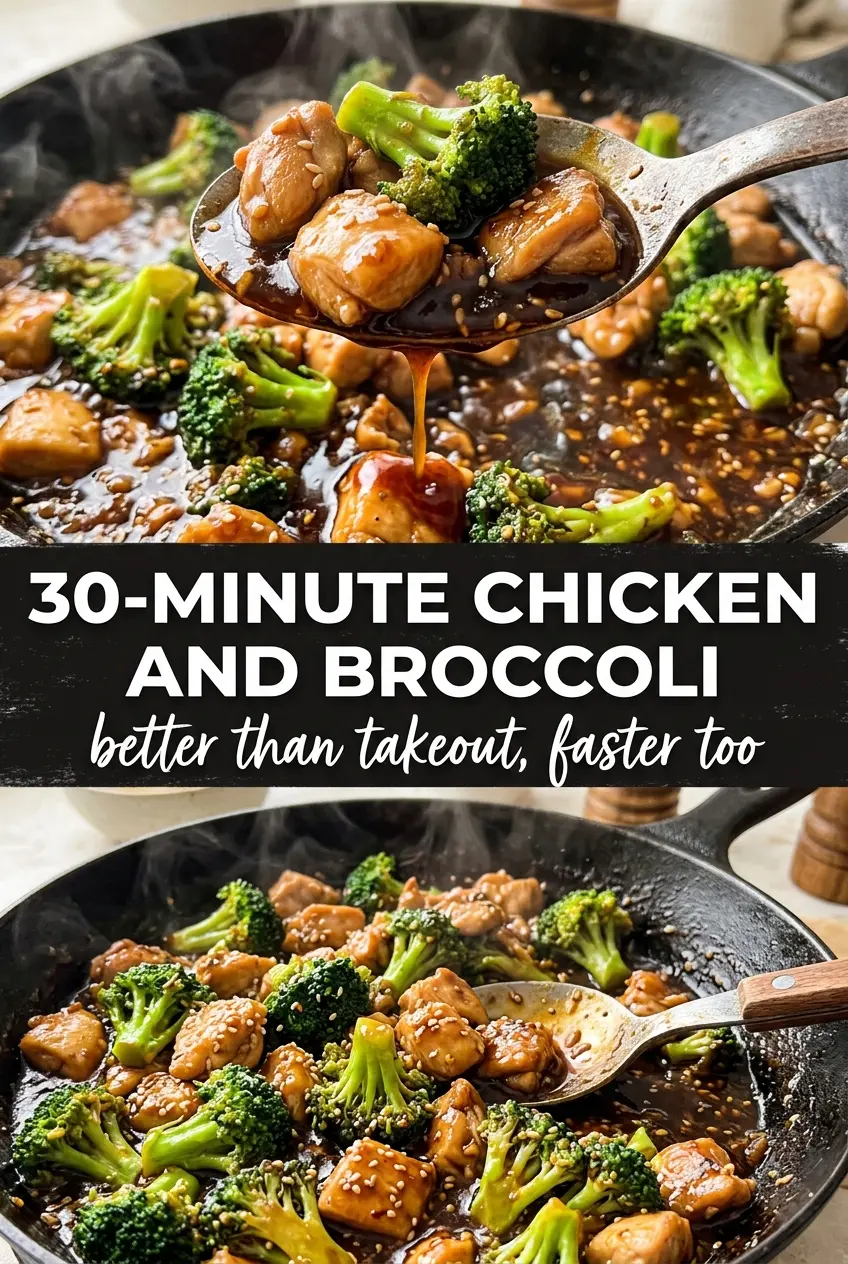
30-Minute Chicken and Broccoli
Ingredients
Equipment
Method
- Toss the chicken with salt, pepper, and cornstarch until evenly coated, with every bite lightly dusted. Keep it moving so the coating adheres before cooking.
- Heat 1 tablespoon vegetable oil in a large wok or skillet over high heat and cook the chicken for 5-6 minutes until golden and cooked through, turning pieces for even browning.
- Remove the cooked chicken to a plate so it doesn’t overcook while you stir-fry the broccoli.
- Add the remaining vegetable oil and stir-fry the broccoli for 3-4 minutes until bright green and just tender-crisp, tossing constantly for even cooking.
- Stir-fry the garlic and ginger for 30 seconds to release fragrance without browning.
- Pour in the whisked sauce and cook for 1-2 minutes, stirring, until thickened into a glossy glaze.
- Return the chicken to the pan and toss to coat thoroughly in the thickened soy-garlic sauce.
- Serve over rice and top with sesame seeds and green onions so the sauce drapes over the broccoli and chicken.