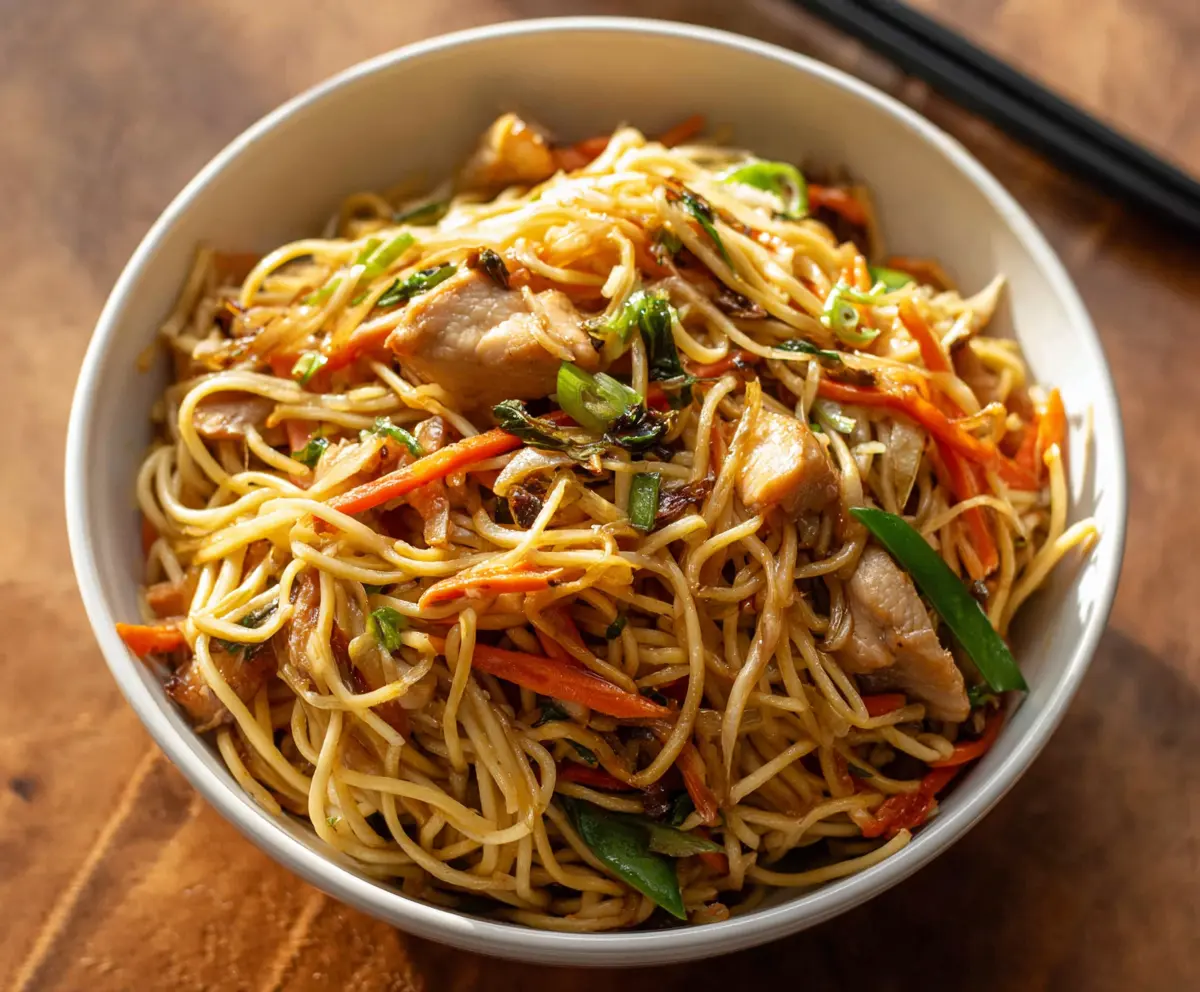
Chow Mein is a classic dish full of stir-fried noodles, crunchy veggies, and tender bits of protein tossed in a flavorful sauce. It’s a dish that’s both quick to make and satisfying, with a nice mix of textures from the soft noodles and crisp vegetables like cabbage and bell peppers. The sauce usually has a pleasant balance of salty and slightly sweet flavors that tie everything together perfectly.
I love making Chow Mein because it’s so flexible—you can use chicken, beef, shrimp, or just keep it vegetarian with tofu or extra veggies. I usually grab whatever fresh vegetables I have on hand and toss them in, so no two times feel exactly the same. Plus, it cooks up fast, which means less time in the kitchen and more time enjoying a tasty meal.
My favorite way to serve Chow Mein is right out of the wok, steaming hot, with a sprinkle of sesame seeds on top and a little splash of soy sauce if it needs a bit more flavor. It reminds me of quick takeout dinners, but homemade and way better. This dish always brings a little bit of comfort and fun to the table, and it’s great for sharing with friends or family on a busy weeknight.
Key Ingredients & Substitutions
Chinese Egg Noodles: These noodles give Chow Mein its classic texture. If you can’t find them, spaghetti is a good substitute. Just cook carefully to keep noodles firm but tender.
Chicken: I like chicken breast for lean meat, but thighs add more flavor and stay juicy. You can swap chicken with shrimp, tofu, or beef for variety.
Vegetables: Cabbage, carrots, and snow peas keep the dish fresh and crunchy. Feel free to add bell peppers, bean sprouts, or mushrooms depending on what you have.
Sauce Ingredients: Soy sauce is key for saltiness, while oyster and hoisin sauces add depth and a touch of sweetness. If you avoid shellfish, skip oyster sauce and use extra soy or a mushroom-based sauce instead.
How Can I Get the Perfect Stir-Fry Texture for My Chicken Chow Mein?
Cooking Chow Mein is all about quick, high-heat stir-frying to keep things tender yet crisp. Here’s how:
- Prep all ingredients first—stir-frying goes fast!
- Cook chicken in batches if needed so it browns instead of steams.
- Use a hot wok or large pan and keep everything moving to avoid burning.
- Add veggies in order: harder ones first (carrots, cabbage), then softer ones (snow peas, green onions).
- Toss noodles with sauce last and stir just enough to coat evenly without breaking the noodles.
This method keeps textures balanced: tender chicken, crunchy veggies, and noodles with just the right bite.
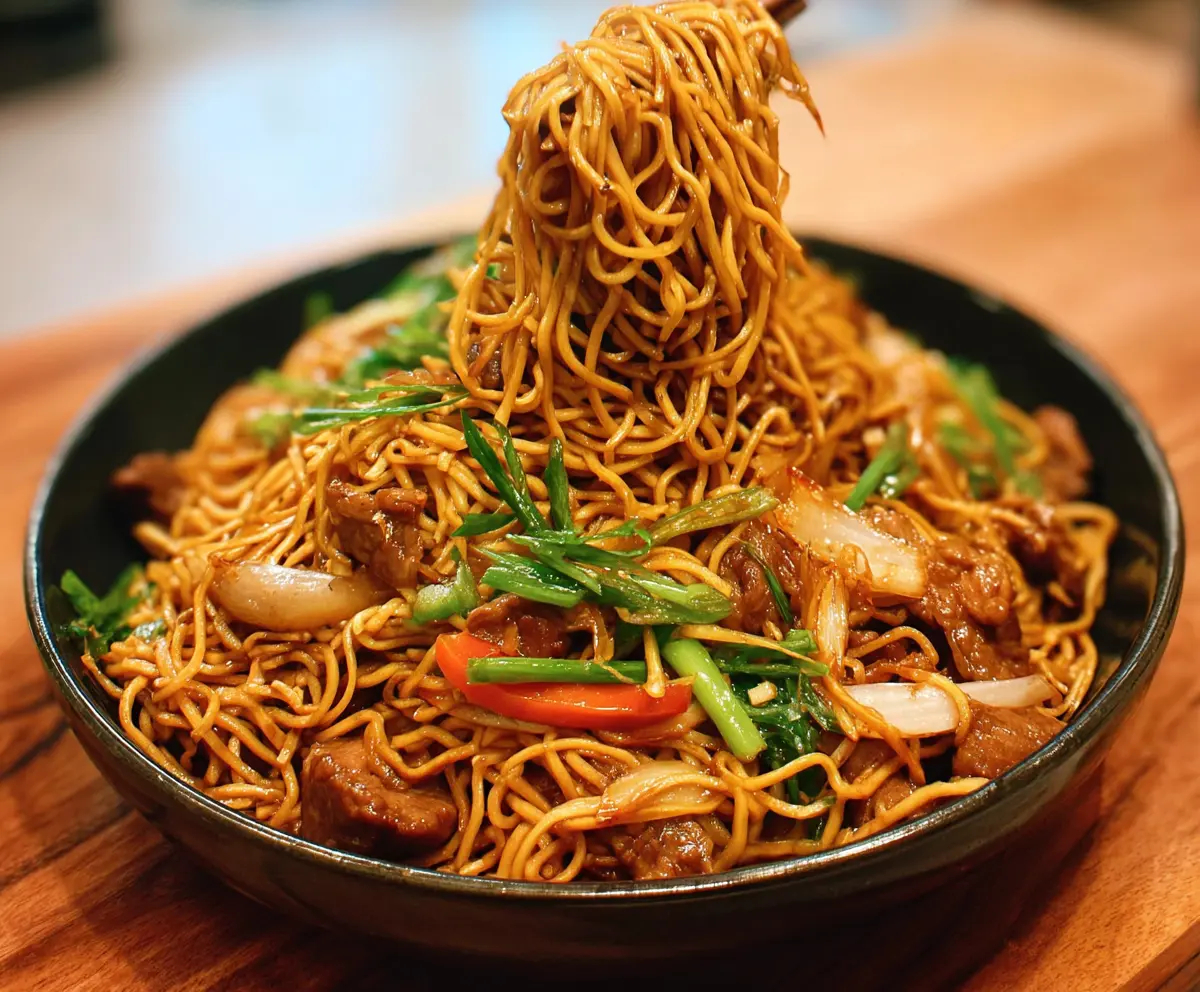
Equipment You’ll Need
- Large wok or skillet – I prefer a wok because it heats evenly and is great for quick stir-frying.
- Large pot – for boiling the noodles; a wide pot makes the process easier.
- Mixing bowls – to whisk the sauce ingredients and hold prepped vegetables.
- Chef’s knife and cutting board – for slicing chicken and chopping vegetables.
- Measuring spoons and cups – to keep the sauce ratios just right.
Flavor Variations & Add-Ins
- Swap chicken for shrimp or tofu for a different protein experience.
- Add a drizzle of chili oil or chili flakes for heat—perfect if you like spice.
- Mix in different veggies like bell peppers or bean sprouts for extra crunch and color.
- Use dark soy sauce instead of light for a richer, deeper flavor.
How to Make Chicken Chow Mein
Ingredients You’ll Need:
- 8 oz Chinese egg noodles or spaghetti
- 2 tbsp vegetable oil, divided
- 1 lb boneless, skinless chicken breast or thigh, thinly sliced
- 1 cup shredded cabbage
- 1 medium carrot, julienned
- 1/2 cup snow peas, trimmed and halved
- 3 green onions, sliced
- 3 cloves garlic, minced
- 1 tsp fresh ginger, minced
For the sauce:
- 3 tbsp soy sauce
- 2 tbsp oyster sauce
- 1 tbsp hoisin sauce
- 1 tsp sesame oil
- 1/2 tsp sugar
- 1/4 cup chicken broth or water
- 1 tsp cornstarch (optional, for thickening)
Time Needed
This recipe will take about 25-30 minutes from start to finish — around 10 minutes for prep and 15-20 minutes for cooking.
Step-by-Step Instructions:
1. Cook the noodles:
Boil your noodles according to the package instructions until they’re just tender (al dente). Drain them and rinse under cold water to stop them from cooking further. Set aside.
2. Prepare the sauce:
In a small bowl, whisk together soy sauce, oyster sauce, hoisin sauce, sesame oil, sugar, chicken broth (or water), and cornstarch if using. This will be your rich, flavorful sauce.
3. Cook the chicken:
Heat 1 tablespoon of vegetable oil in a large wok or skillet on medium-high heat. Add the thinly sliced chicken and stir-fry until it’s cooked through and lightly browned — about 4 to 5 minutes. Then remove the chicken from the pan and set it aside.
4. Stir-fry the vegetables:
Add the remaining tablespoon of vegetable oil to the wok. Toss in the minced garlic and ginger, frying for about 30 seconds until fragrant. Then add the shredded cabbage, julienned carrots, and snow peas. Stir-fry for 3 to 4 minutes until veggies are tender but still crisp.
5. Combine and finish:
Return the cooked chicken to the pan along with the noodles and sliced green onions. Pour your prepared sauce over everything and toss it all together well. Cook for another 2 to 3 minutes, letting the sauce thicken slightly and coat the ingredients.
6. Serve:
Taste your Chow Mein and add a little more soy sauce or salt if needed. Serve it hot, with optional garnishes like extra green onions or sesame seeds for a nice touch.
Can I Use Frozen Chicken for This Recipe?
Yes, you can! Just be sure to thaw it completely in the refrigerator overnight before cooking. Pat the chicken dry to prevent extra moisture when stir-frying.
Can I Substitute the Noodles?
Absolutely! Chinese egg noodles are traditional, but spaghetti or even rice noodles work well. Just adjust cooking time according to the package instructions.
How Do I Store Leftover Chow Mein?
Store leftovers in an airtight container in the refrigerator for up to 3 days. Reheat in a skillet over medium heat, adding a splash of water or broth if it seems dry.
Can I Make This Recipe Vegetarian?
Definitely! Swap the chicken for firm tofu or extra vegetables, and replace oyster sauce with a vegetarian mushroom-based sauce for a delicious meat-free version.